

Blog | Foot Doctor Rome, GA 30165
Like Us
Follow Us
Review Us
Stephan J. LaPointe, DPM, PhD, FACFAS

Blog

Ankle Gout and Its Impact on Daily Movement

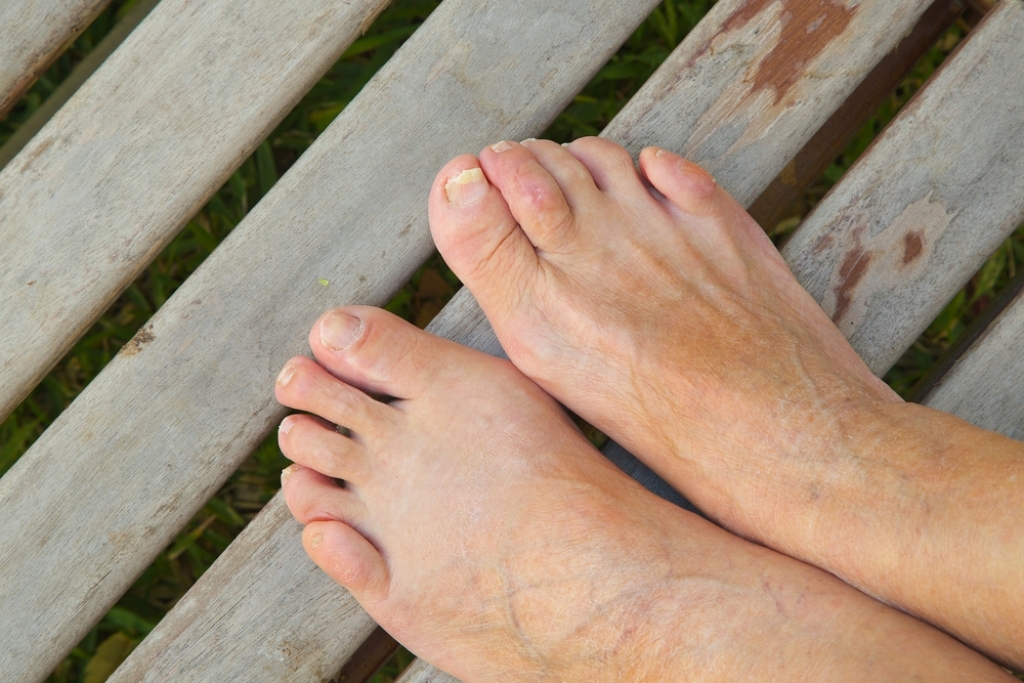
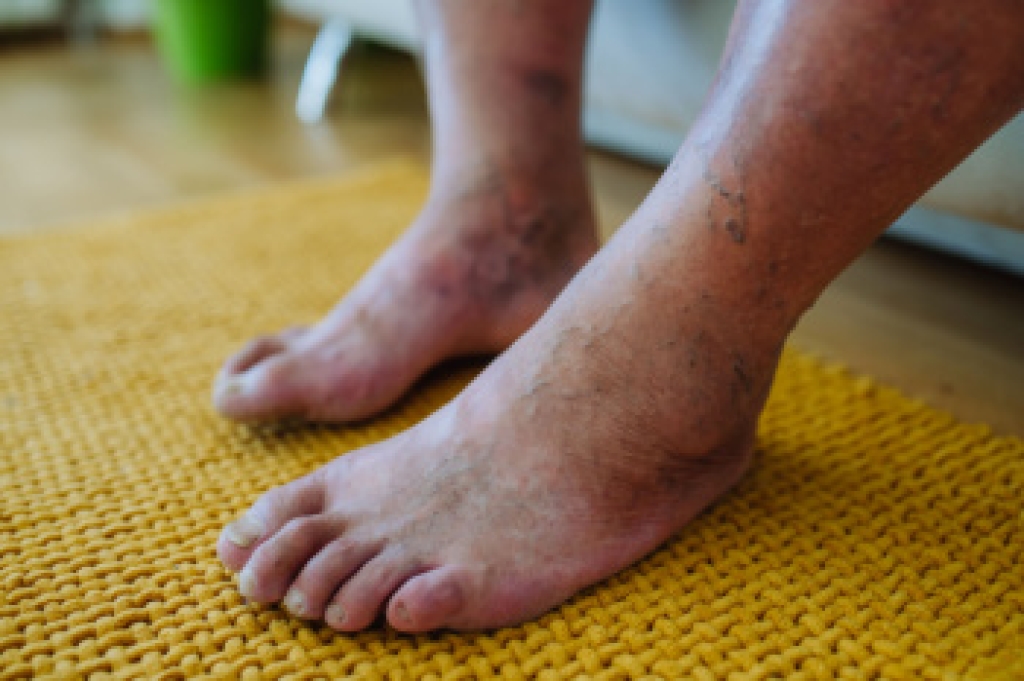
Gout in the ankle is a joint condition that develops when uric acid crystals accumulate and cause inflammation. Although it is less commonly discussed than gout in the big toe, ankle involvement can be just as painful and limiting. The condition may take time to develop, but often presents as a sudden and intense flare-up. This type of arthritis can affect mobility and make routine activities more challenging if not addressed early.

Common symptoms of ankle gout include swelling, tenderness, and stiffness surrounding the joint. The ankle may feel warm and appear red, with discomfort that worsens during movement or weight bearing. Limited range of motion can make it difficult to walk or complete everyday tasks. Some individuals report sudden pain that begins at night and intensifies quickly. These symptoms can interfere with sleep and overall quality of life.


The causes of gout in the ankle are linked to elevated uric acid levels in the body. Consuming high purine foods, drinking excess alcohol, and having reduced kidney function can contribute to this buildup. Gout is more frequently seen in men, while women may develop it after menopause due to hormonal changes. Other risk factors include obesity, metabolic conditions, and a family history of gout. These can increase the likelihood of crystal formation and joint inflammation.


Diagnosis often involves clinical evaluation along with imaging scans to rule out fractures or other joint disorders. Managing ankle gout includes controlling uric acid levels and reducing inflammation through lifestyle adjustments and medical treatment. A podiatrist can provide guidance on symptom management and long-term prevention. If you have signs of gout in the ankle, it is strongly suggested that you are under the care of a podiatrist who can help you to manage this painful condition. 

Gout is a painful condition that can be treated. If you are seeking treatment, contact Dr. Stephan J. LaPointe from Georgia Foot & Ankle Specialists . Our doctor will treat your foot and ankle needs.

What Is Gout?

Gout is a form of arthritis that is characterized by sudden, severe attacks of pain, redness, and tenderness in the joints. The condition usually affects the joint at the base of the big toe. A gout attack can occur at any random time, such as the middle of the night while you are asleep.

Symptoms

  • Intense Joint Pain - Usually around the large joint of your big toe, and it most severe within the first four to twelve hours
  • Lingering Discomfort - Joint discomfort may last from a few days to a few weeks
  • Inflammation and Redness -Affected joints may become swollen, tender, warm and red
  • Limited Range of Motion - May experience a decrease in joint mobility

Risk Factors

  • Genetics - If family members have gout, you’re more likely to have it
  • Medications - Diuretic medications can raise uric acid levels
  • Gender/Age - Gout is more common in men until the age of 60. It is believed that estrogen protects women until that point
  • Diet - Eating red meat and shellfish increases your risk
  • Alcohol - Having more than two alcoholic drinks per day increases your risk
  • Obesity - Obese people are at a higher risk for gout

Prior to visiting your podiatrist to receive treatment for gout, there are a few things you should do beforehand. If you have gout you should write down your symptoms--including when they started and how often you experience them, important medical information you may have, and any questions you may have. Writing down these three things will help your podiatrist in assessing your specific situation so that he or she may provide the best route of treatment for you.

If you have any questions, please feel free to contact our office located in Rome, GA . We offer the newest diagnostic and treatment technologies for all your foot care needs.
Read more about Gout

Hammertoe Treatment and Foot Health

Hammertoe is a deformity that causes one or more of the smaller toes to bend downward at the middle joint instead of lying flat. At first, the toe may still be flexible, but it can become stiff if left untreated. This change in toe position places extra pressure on the top of the toe and the ball of the foot. Symptoms include pain, swelling, corns, calluses, and difficulty wearing shoes comfortably. The condition can develop because of muscle imbalance, arthritis, injury, or wearing shoes that squeeze the toes into a cramped position. Early evaluation is important because hammertoe becomes more difficult to correct as the joint becomes less flexible.

A podiatrist carefully evaluates toe alignment, foot structure, walking pattern, and joint movement to determine what is contributing to the deformity. The examination also identifies areas of excessive pressure that can lead to painful skin changes. Treatment includes custom orthotics when appropriate, footwear recommendations, and protective padding to reduce irritation. A podiatrist can also recommend exercises that improve flexibility and strengthen the muscles supporting the toes. Wearing shoes that provide proper support and enough room for the toes can reduce unnecessary pressure during daily activities. Regular follow-up visits help monitor changes and determine whether additional treatment is needed.

Ignoring hammertoe can allow the toe to become permanently stiff and increase discomfort while walking. Ongoing pressure can also lead to painful corns, calluses, and sores that make everyday activities more difficult. In advanced cases, surgery may be necessary when the toe can no longer be straightened or pain continues despite treatment. Early podiatry care helps improve foot function, reduce pressure on the affected toe, and slow the progression of the deformity. If you have symptoms of hammertoe, it is suggested that you schedule an appointment with a podiatrist for diagnosis and treatment.

Hammertoe

Hammertoes can be a painful condition to live with. For more information, contact Dr. Stephan J. LaPointe from Georgia Foot & Ankle Specialists . Our doctor will answer any of your foot- and ankle-related questions.

Hammertoe is a foot deformity that affects the joints of the second, third, fourth, or fifth toes of your feet. It is a painful foot condition in which these toes curl and arch up, which can often lead to pain when wearing footwear.

Symptoms

  • Pain in the affected toes
  • Development of corns or calluses due to friction
  • Inflammation
  • Redness
  • Contracture of the toes

Causes

Genetics – People who are genetically predisposed to hammertoe are often more susceptible

Arthritis – Because arthritis affects the joints in your toes, further deformities stemming from arthritis can occur

Trauma – Direct trauma to the toes could potentially lead to hammertoe

Ill-fitting shoes – Undue pressure on the front of the toes from ill-fitting shoes can potentially lead to the development of hammertoe

Treatment

Orthotics – Custom made inserts can be used to help relieve pressure placed on the toes and therefore relieve some of the pain associated with it

Medications – Oral medications such as anti-inflammatories or NSAIDs could be used to treat the pain and inflammation hammertoes causes. Injections of corticosteroids are also sometimes used

Surgery – In more severe cases where the hammertoes have become more rigid, foot surgery is a potential option

If you have any questions, please feel free to contact our office located in Rome, GA . We offer the newest diagnostic and treatment technologies for all your foot care needs.

Read more about What Are Hammertoes?

Why Diabetic Foot Care Is Essential for Healthy Feet

Healthy feet are especially important for people with diabetes because even a small foot problem can become serious without prompt care. Diabetic foot care plays an important role in protecting mobility and overall health. Diabetes can reduce feeling in the feet because nerves become damaged. This problem is called neuropathy, which means nerve damage. Reduced feeling makes it harder to notice cuts, blisters, or pressure points before they become serious. Diabetes can also reduce blood flow, slowing healing and increasing the risk of infection. Regular foot exams by a podiatrist help identify problems early and protect long-term foot health.

A podiatrist examines the skin, nails, and circulation to look for early warning signs. Care includes checking for wounds, evaluating foot shape, and recommending shoes with proper support. A podiatrist also explains how diabetes affects the feet and monitors changes that increase the chance of ulcers. An ulcer is an open sore that can become infected without prompt treatment. Early care helps lower the risk of serious complications and supports safer movement every day.

Ignoring early foot changes can allow small problems to become much more difficult to treat. Routine visits with a podiatrist provide careful monitoring and timely treatment that protects comfort and mobility. Professional care also helps detect circulation changes and nerve damage before serious complications develop. Patients who have diabetes benefit from consistent evaluations because small injuries can quickly become larger concerns when reduced feeling delays treatment. Regular appointments also give your podiatrist the opportunity to answer questions and recommend shoe features that reduce pressure while walking. If you are diabetic and have developed foot problems,  it is strongly suggested that you are under the care of a podiatrist who can help you to manage this serious condition.

Diabetic foot care is important in preventing foot ailments such as ulcers. If you are suffering from diabetes or have any other concerns about your feet, contact Dr. Stephan J. LaPointe from Georgia Foot & Ankle Specialists . Our doctor can provide the care you need to keep you pain-free and on your feet.

Diabetic Foot Care

Diabetes affects millions of people every year. The condition can damage blood vessels in many parts of the body, especially the feet. Because of this, taking care of your feet is essential if you have diabetes, and having a podiatrist help monitor your foot health is highly recommended.

The Importance of Caring for Your Feet

  • Routinely inspect your feet for bruises or sores.
  • Wear socks that fit your feet comfortably.
  • Wear comfortable shoes that provide adequate support.

Patients with diabetes should have their doctor monitor their blood levels, as blood sugar levels play such a huge role in diabetic care. Monitoring these levels on a regular basis is highly advised.

It is always best to inform your healthcare professional of any concerns you may have regarding your feet, especially for diabetic patients. Early treatment and routine foot examinations are keys to maintaining proper health, especially because severe complications can arise if proper treatment is not applied.

If you have any questions, please feel free to contact our office located in Rome, GA . We offer the newest diagnostic and treatment technologies for all your foot care needs.
Read more about Diabetic Foot Conditions

Reminder: When Was the Last Time...?

Custom orthotics, or shoe inserts, should be periodically replaced. Orthotics must fit properly to give you the best results. Protect your feet and ankles!

When Foot Pain Signals a Bigger Problem

Foot pain can affect people of all ages and make everyday activities more difficult. Because the feet support the body's weight and absorb impact with every step, discomfort can interfere with walking, working, and exercise. Foot pain may develop suddenly after an injury or gradually. Common causes include arthritis, nerve problems, and overuse injuries. Some people experience aching, burning, or sharp pain. Others notice swelling, stiffness, or tenderness that limits normal movement. The location of the pain may vary depending on the underlying condition, making a professional evaluation important for identifying the cause and recommending the most appropriate treatment.


The feet contain many bones, joints, and muscles that work together to provide stability and movement. When one structure is injured or not functioning properly, it can affect the way the entire foot moves. Ongoing foot pain may cause a person to change the way they walk, placing additional stress on the ankles, knees, and hips. This altered movement may also contribute to discomfort in the lower back. A thorough examination helps determine whether symptoms are related to inflammation, joint dysfunction, or another underlying condition. Early diagnosis allows treatment to begin before the problem worsens and affects long-term mobility.


A podiatrist is specially trained to diagnose and treat conditions that affect the feet and ankles. During an evaluation, the podiatrist examines foot structure, walking patterns, and joint function to identify the source of the pain. Treatment is personalized and focuses on improving mobility, relieving discomfort, and restoring healthy foot function. Early podiatry care may also help prevent additional strain on nearby joints and reduce the risk of future complications. If foot pain is limiting your daily activities or making it uncomfortable to walk, it is suggested that you consult a podiatrist for an evaluation and appropriate treatment options.

Foot Pain

Foot pain can be extremely painful and debilitating. If you have a foot pain, consult with Dr. Stephan J. LaPointe from Georgia Foot & Ankle Specialists . Our doctor will assess your condition and provide you with quality foot and ankle treatment.

Causes

Foot pain is a very broad condition that could be caused by one or more ailments. The most common include:

  • Bunions
  • Hammertoes
  • Plantar Fasciitis
  • Bone Spurs
  • Corns
  • Tarsal Tunnel Syndrome
  • Ingrown Toenails
  • Arthritis (such as Gout, Rheumatoid, and Osteoarthritis)
  • Flat Feet
  • Injury (from stress fractures, broken toe, foot, ankle, Achilles tendon ruptures, and sprains)
  • And more

Diagnosis

To figure out the cause of foot pain, podiatrists utilize several different methods. This can range from simple visual inspections and sensation tests to X-rays and MRI scans. Prior medical history, family medical history, and any recent physical traumatic events will all be taken into consideration for a proper diagnosis.

Treatment

Treatment depends upon the cause of the foot pain. Whether it is resting, staying off the foot, or having surgery; podiatrists have a number of treatment options available for foot pain.

If you have any questions, please feel free to contact our office located in Rome, GA . We offer the newest diagnostic and treatment technologies for all your foot care needs.

Read more about Foot Pain
Connect with us
fb ico twit ico google blog