
Blog | Foot Doctor Rome, GA 30165
Like Us
Follow Us
Review Us
Stephan J. LaPointe, DPM, PhD, FACFAS

Blog

Is It Rheumatoid Arthritis or Gout?

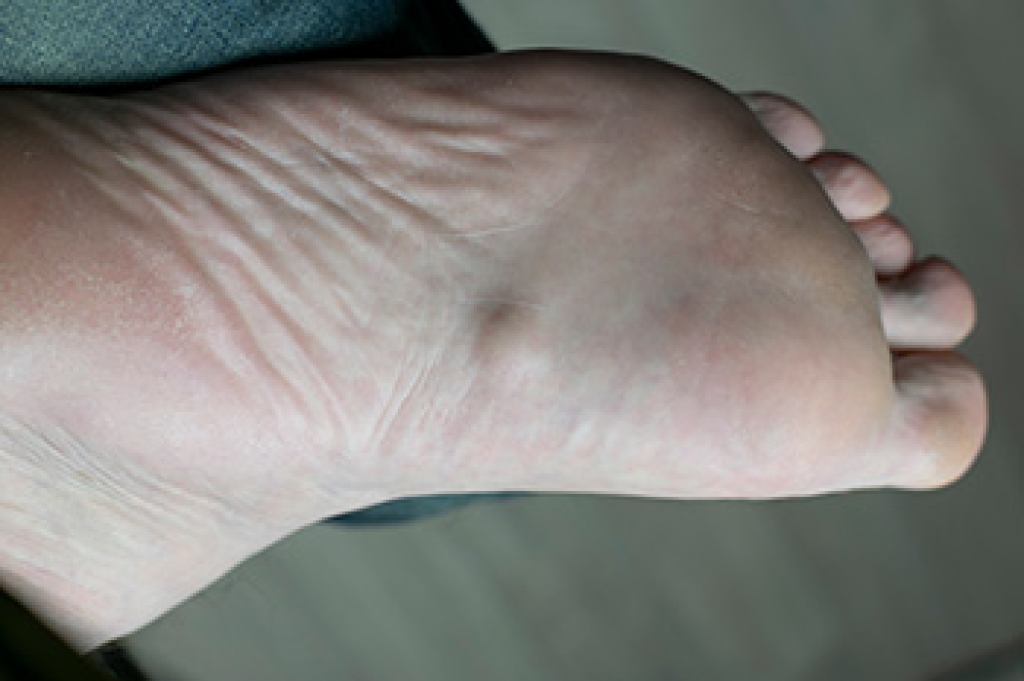
Foot pain can sometimes be caused by rheumatoid arthritis or gout, each affecting the joints in different ways. Rheumatoid arthritis is an autoimmune condition that often causes pain, swelling, and stiffness in multiple joints. The joints may feel warm, appear swollen, and become increasingly stiff, especially in the morning or after rest. Over time, joint shape may change, leading to deformities and difficulty walking. Gout typically presents as a sudden and intense attack of pain, often affecting the big toe. The joint may become red, hot, and extremely tender, sometimes developing overnight. This occurs due to a buildup of uric acid crystals in the joint. A podiatrist can help distinguish between these conditions through examination and testing. They can then coordinate care that may include medication, supportive footwear, and custom orthotics to protect the joints. If you have foot pain from rheumatoid arthritis or gout, it is suggested that you make an appointment with a podiatrist.

Because RA affects more than just your joints, including the joints in your feet and ankles, it is important to seek early diagnosis from your podiatrist if you feel like the pain in your feet might be caused by RA. For more information, contact Dr. Stephan J. LaPointe of Georgia Foot & Ankle Specialists . Our doctor will assist you with all of your podiatric concerns.

What Is Rheumatoid Arthritis?

Rheumatoid Arthritis (RA) is an autoimmune disorder in which the body’s own immune system attacks the membranes surrounding the joints. Inflammation of the lining and eventually the destruction of the joint’s cartilage and bone occur, causing severe pain and immobility.

Rheumatoid Arthritis of the Feet

Although RA usually attacks multiple bones and joints throughout the entire body, almost 90 percent of cases result in pain in the foot or ankle area.

Symptoms

  • Swelling and pain in the feet
  • Stiffness in the feet
  • Pain on the ball or sole of feet
  • Joint shift and deformation

Diagnosis

Quick diagnosis of RA in the feet is important so that the podiatrist can treat the area effectively. Your doctor will ask you about your medical history, occupation, and lifestyle to determine the origin of the condition. Rheumatoid Factor tests help to determine if someone is affected by the disease.

If you have any questions, please feel free to contact our office located in Rome, GA . We offer the newest diagnostic and treatment technologies for all your foot care needs.

Read more about Rheumatoid Arthritis in the Feet

Diabetic and Non-Diabetic Foot Ulcers Explained

Foot ulcers are open sores that commonly affect the feet and can occur in both diabetic and non-diabetic individuals. Diabetic foot ulcers are primarily caused by peripheral neuropathy and poor circulation, which reduce sensation and slow healing. Minor injuries may go unnoticed and develop into serious wounds. In contrast, non-diabetic foot ulcers are often linked to pressure, trauma, vascular disease, or skin conditions. While they may heal more predictably, underlying issues still require attention. Both types need proper wound care, including cleaning, protection, and sometimes medical treatment. Early diagnosis is essential to prevent infection or complications. Maintaining good foot hygiene, wearing supportive footwear, and monitoring skin changes can significantly reduce risk and promote healing outcomes. Patients should seek professional care from a podiatrist if wounds do not improve quickly or show signs of redness, swelling, pain, or discharge. Early intervention improves overall recovery.

Wound care is an important part in dealing with diabetes. If you have diabetes and a foot wound or would like more information about wound care for diabetics, consult with Dr. Stephan J. LaPointe from Georgia Foot & Ankle Specialists . Our doctor will assess your condition and provide you with quality foot and ankle treatment.

What Is Wound Care?

Wound care is the practice of taking proper care of a wound. This can range from the smallest to the largest of wounds. While everyone can benefit from proper wound care, it is much more important for diabetics. Diabetics often suffer from poor blood circulation which causes wounds to heal much slower than they would in a non-diabetic. 

What Is the Importance of Wound Care?

While it may not seem apparent with small ulcers on the foot, for diabetics, any size ulcer can become infected. Diabetics often also suffer from neuropathy, or nerve loss. This means they might not even feel when they have an ulcer on their foot. If the wound becomes severely infected, amputation may be necessary. Therefore, it is of the upmost importance to properly care for any and all foot wounds.

How to Care for Wounds

The best way to care for foot wounds is to prevent them. For diabetics, this means daily inspections of the feet for any signs of abnormalities or ulcers. It is also recommended to see a podiatrist several times a year for a foot inspection. If you do have an ulcer, run the wound under water to clear dirt from the wound; then apply antibiotic ointment to the wound and cover with a bandage. Bandages should be changed daily and keeping pressure off the wound is smart. It is advised to see a podiatrist, who can keep an eye on it.

If you have any questions please contact our office located in Rome, GA . We offer the newest diagnostic and treatment technologies for all your foot and ankle needs.

Read more about Wound Care

Risk Factors for Plantar Fibroma

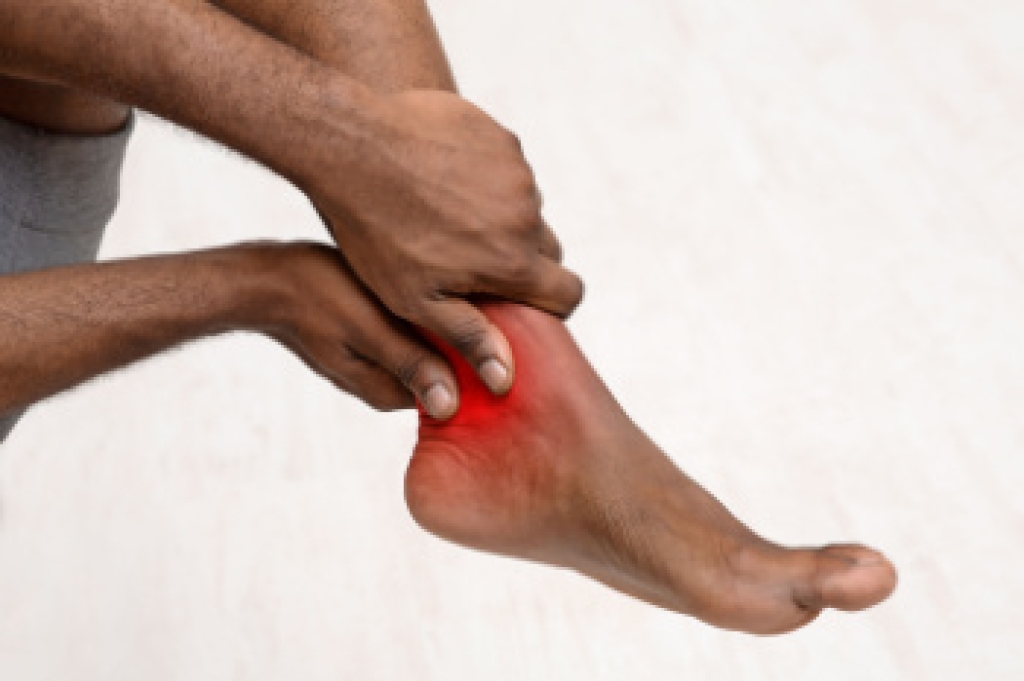
A plantar fibroma is a benign growth that develops within the plantar fascia, the thick band of tissue along the bottom of the foot. It often appears as a firm lump in the arch, and may gradually increase in size. Symptoms include discomfort, pressure when walking, and pain while wearing shoes. The exact cause is not always clear, but factors like trauma, genetic predisposition, and certain medical conditions may contribute. There is also a noted association with fibrous conditions elsewhere in the body, including uterine fibroids, which may be considered a risk factor. A podiatrist can diagnose a plantar fibroma and provide treatment options to relieve pain and improve mobility. A plantar fibroma may be uncomfortable, and may cause difficulty in completing daily activities. If you have developed this condition, it is suggested that you consult a podiatrist who can offer effective relief and treatment solutions.

A plantar fibroma may disrupt your daily activities. If you have any concerns, contact Dr. Stephan J. LaPointe of Georgia Foot & Ankle Specialists . Our doctor can provide the care you need to keep you pain-free and on your feet.

Plantar Fibroma

A plantar fibroma is a fibrous knot in the arch of the foot. It is embedded in the plantar fascia which is a band of tissue that extends from the heel to the toes along the bottom of the foot. There can be multiple plantar fibromas in the feet at the same time. There are no known causes for this condition. If you have a plantar fibroma, there will be a bump in the arch of your foot that cannot be missed. Any associated pain is most often due to a shoe rubbing against the nodule. Non-surgical options, such as steroid injections, physical therapy, and orthotics should be tried first. Surgery is a last resort and is the only thing that will remove a plantar fibroma entirely. Consult with a podiatrist for a proper diagnosis and to determine the treatment regimen that is right for you.

What Causes a Plantar Fibroma?

While there are no specific causes identified, a plantar fibroma can possibly come from genetic predisposition or the formation of scar tissue that forms from healing the tears in the plantar fascia.

What Are the Symptoms of a Plantar Fibroma?

There will be a noticeable lump in the arch of the foot that may or may not cause pain. If pain is felt, it is typically because a shoe is rubbing up against the lump or when walking or standing barefoot.

Treatment and Prevention

A plantar fibroma will not disappear without treatment, but it can get smaller and be a non-issue. If pain persists, a podiatrist examines the foot and when the arch of the foot is pressed, pain can be felt down to the toes. An MRI or biopsy might be performed to help diagnose or evaluate the plantar fibroma. The following non-surgical options are generally enough to reduce the size and pain of these nodules:

  • Steroid injections
  • Orthotics
  • Physical therapy to help apply anti-inflammatory creams on the bump 

Surgery is considered if the mass increases in size and the patient continues to feel pain after non-surgical methods are tried.

If you have any questions, please feel free to contact our office located in Rome, GA . We offer the newest diagnostic and treatment technologies for all your foot care needs.
Read more about Plantar Fibroma

When Ankle Arthritis Tells a Bigger Story

Arthritis in the ankle is not as common as in other joints, so it often deserves a closer look. When there is no past injury to explain the damage, it may signal an underlying condition rather than simple wear and tear. One example is haemochromatosis, a condition where the body stores too much iron, which can build up and affect joint health, over time. When only one ankle joint is involved, gout, a painful arthritis caused by uric acid crystals, is often a more likely cause than other crystal-related conditions. If infection is present, bacteria are usually responsible, including certain sexually transmitted strains. Tuberculosis is less likely in this joint. When several joints become inflamed, ankle involvement may point toward specific inflammatory conditions rather than classic rheumatoid arthritis. These patterns help guide diagnosis and care. If you are experiencing ankle pain, swelling, or stiffness without a clear reason, it is suggested that you see a podiatrist for a proper diagnosis and appropriate treatment.

Arthritis can be a difficult condition to live with. If you are seeking treatment, contact Dr. Stephan J. LaPointe from Georgia Foot & Ankle Specialists . Our doctor can provide the care you need to keep you pain-free and on your feet.

Arthritic Foot Care  

Arthritis is a term that is commonly used to describe joint pain.  The condition itself can occur to anyone of any age, race, or gender, and there are over 100 types of it.  Nevertheless, arthritis is more commonly found in women compared to men, and it is also more prevalent in those who are overweight. The causes of arthritis vary depending on which type of arthritis you have. Osteoarthritis for example, is often caused by injury, while rheumatoid arthritis is caused by a misdirected immune system.

Symptoms

  • Swelling
  • Pain
  • Stiffness
  • Decreased Range of Motion

Arthritic symptoms range in severity, and they may come and go. Some symptoms stay the same for several years but could potentially get worse with time. Severe cases of arthritis can prevent its sufferers from performing daily activities and make walking difficult.

Risk Factors

  • Occupation – Occupations requiring repetitive knee movements have been linked to osteoarthritis
  • Obesity – Excess weight can contribute to osteoarthritis development
  • Infection – Microbial agents can infect the joints and trigger arthritis
  • Joint Injuries – Damage to joints may lead to osteoarthritis
  • Age – Risk increases with age
  • Gender –Most types are more common in women
  • Genetics – Arthritis can be hereditary

If you suspect your arthritis is affecting your feet, it is crucial that you see a podiatrist immediately. Your doctor will be able to address your specific case and help you decide which treatment method is best for you.

If you have any questions please feel free to contact our office located in Rome, GA . We offer the newest diagnostic tools and technology to treat your foot and ankle needs.

Read more about How to Care for Your Arthritic Foot

It's Time for Beautiful Feet

You don't need an excuse to have beautiful nails. Step outside without worrying about the appearance of your feet.

Connect with us
fb ico twit ico google blog