Custom orthotics, or shoe inserts, should be periodically replaced. Orthotics must fit properly to give you the best results. Protect your feet and ankles!
Custom orthotics, or shoe inserts, should be periodically replaced. Orthotics must fit properly to give you the best results. Protect your feet and ankles!
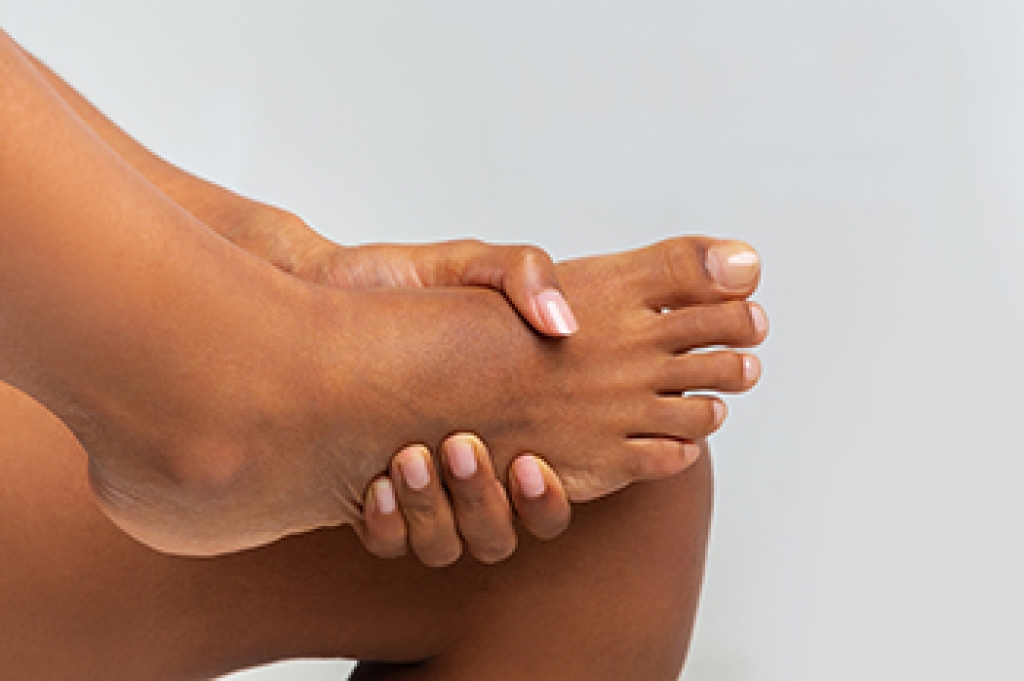
Foot pain can affect people of all ages and make everyday activities more difficult. Because the feet support the body's weight and absorb impact with every step, discomfort can interfere with walking, working, and exercise. Foot pain may develop suddenly after an injury or gradually. Common causes include arthritis, nerve problems, and overuse injuries. Some people experience aching, burning, or sharp pain. Others notice swelling, stiffness, or tenderness that limits normal movement. The location of the pain may vary depending on the underlying condition, making a professional evaluation important for identifying the cause and recommending the most appropriate treatment.
The feet contain many bones, joints, and muscles that work together to provide stability and movement. When one structure is injured or not functioning properly, it can affect the way the entire foot moves. Ongoing foot pain may cause a person to change the way they walk, placing additional stress on the ankles, knees, and hips. This altered movement may also contribute to discomfort in the lower back. A thorough examination helps determine whether symptoms are related to inflammation, joint dysfunction, or another underlying condition. Early diagnosis allows treatment to begin before the problem worsens and affects long-term mobility.
A podiatrist is specially trained to diagnose and treat conditions that affect the feet and ankles. During an evaluation, the podiatrist examines foot structure, walking patterns, and joint function to identify the source of the pain. Treatment is personalized and focuses on improving mobility, relieving discomfort, and restoring healthy foot function. Early podiatry care may also help prevent additional strain on nearby joints and reduce the risk of future complications. If foot pain is limiting your daily activities or making it uncomfortable to walk, it is suggested that you consult a podiatrist for an evaluation and appropriate treatment options.
Foot Pain
Foot pain can be extremely painful and debilitating. If you have a foot pain, consult with Dr. Stephan J. LaPointe from Georgia Foot & Ankle Specialists . Our doctor will assess your condition and provide you with quality foot and ankle treatment.
Causes
Foot pain is a very broad condition that could be caused by one or more ailments. The most common include:
Diagnosis
To figure out the cause of foot pain, podiatrists utilize several different methods. This can range from simple visual inspections and sensation tests to X-rays and MRI scans. Prior medical history, family medical history, and any recent physical traumatic events will all be taken into consideration for a proper diagnosis.
Treatment
Treatment depends upon the cause of the foot pain. Whether it is resting, staying off the foot, or having surgery; podiatrists have a number of treatment options available for foot pain.
If you have any questions, please feel free to contact our office located in Rome, GA . We offer the newest diagnostic and treatment technologies for all your foot care needs.

Pregnancy brings many changes to the body, including those that can affect the feet and ankles. As a baby grows, added body weight and shifting posture place greater pressure on the feet with every step. Hormonal changes also cause ligaments to become more flexible, which may alter foot structure and the way the feet support the body. Because of these changes, some women notice that their feet become wider or their arches become lower during pregnancy. Others experience increased foot fatigue or discomfort after standing and walking. These symptoms can make everyday activities more challenging and may continue throughout pregnancy. A professional foot evaluation can help identify pregnancy-related changes early and support healthier foot function during this important time.
Pregnancy-related foot problems vary from person to person. Many women experience swelling, heel pain, or aching in the arches because of increased pressure on the feet. Others notice ankle discomfort or cramping that affects mobility. As the body adjusts to changing balance and weight distribution, walking may feel less comfortable than usual. Some women also develop changes in the way they walk, placing additional stress on the feet and ankles. Persistent pain or significant swelling should not be ignored because these symptoms may indicate problems that require professional evaluation. Addressing foot concerns early may improve comfort and help maintain normal movement throughout pregnancy.
A podiatrist specializes in diagnosing and treating foot conditions that develop during pregnancy. During an examination, the podiatrist evaluates foot structure, walking mechanics, and any symptoms affecting comfort or mobility. Treatment is tailored to each patient's needs and focuses on reducing pain, improving foot function, and supporting healthy movement throughout pregnancy. Regular podiatry care may also help monitor changes in the feet as the pregnancy progresses and identify concerns before they become more serious. If you are experiencing foot pain, swelling, or changes in your feet during pregnancy, it is suggested that you consult a podiatrist for an evaluation and appropriate treatment options.
Pregnant women with swollen feet can be treated with a variety of different methods that are readily available. For more information about other cures for swollen feet during pregnancy, consult with Dr. Stephan J. LaPointe from Georgia Foot & Ankle Specialists . Our doctor will attend to all of your foot and ankle needs.
What Foot Problems Can Arise During Pregnancy?
One problem that can occur is overpronation, which occurs when the arch of the foot flattens and tends to roll inward. This can cause pain and discomfort in your heels while you’re walking or even just standing up, trying to support your baby.
Another problem is edema, or swelling in the extremities. This often affects the feet during pregnancy but tends to occur in the later stages.
How Can I Keep My Feet Healthy During Pregnancy?
If you have any questions, please feel free to contact our office located in Rome, GA . We offer the newest diagnostic and treatment technologies for all your foot care needs.
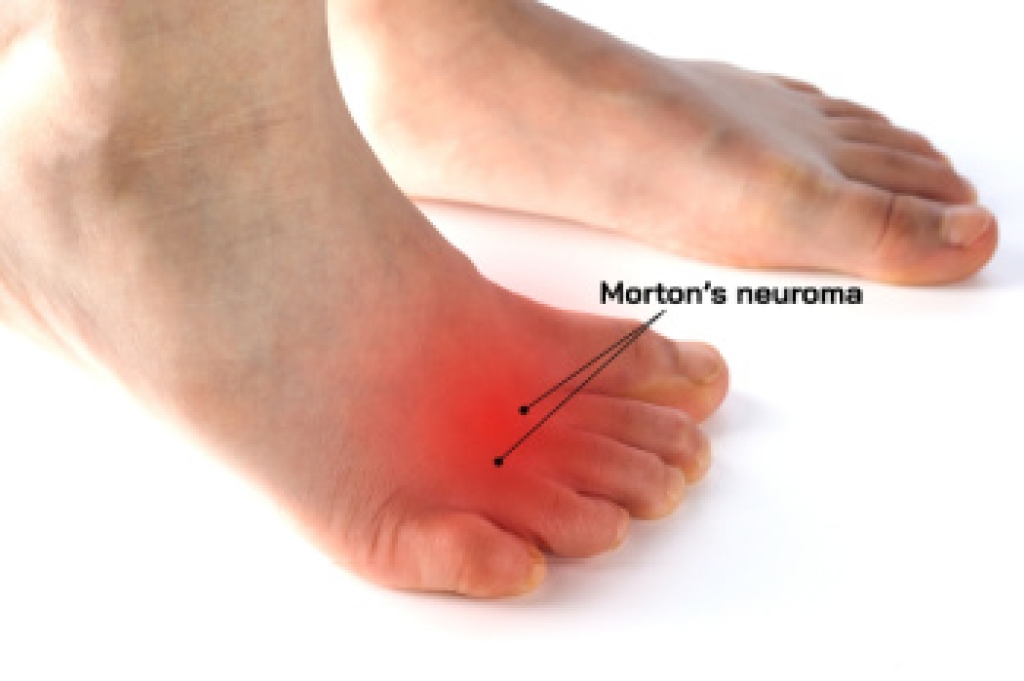
Morton's neuroma develops when scar tissue and nerve endings thicken around a nerve, usually between the third and fourth toes. This painful condition affects the front of the foot and can make every step uncomfortable, especially while walking or wearing tight shoes. Burning pain in the ball of the foot is one of the most common signs. Tingling and numbness in the toes also occur. Many patients describe the feeling as if they are standing on a small pebble or a folded sock inside the shoe. Symptoms usually become worse when wearing tight shoes or shoes that lack proper support. The discomfort can gradually make walking, exercising, and even standing for long periods of time more difficult.
Several factors increase the risk of developing Morton's neuroma. Repeated pressure on the front of the foot is one of the leading causes. Shoes with a narrow toe box can squeeze the nerves between the toes. High-heeled shoes also increase pressure on the ball of the foot. Foot problems like bunions or flat feet can change the way weight is distributed across the foot. Sports or activities that involve repeated pushing off the toes can also contribute to irritation.
A podiatrist can perform a careful examination of the foot and review your symptoms. Imaging tests may be ordered to help confirm the diagnosis or rule out other foot conditions. The podiatrist then creates a treatment plan based on the cause and severity of your symptoms. Professional care includes custom orthotics to reduce pressure on the affected nerve. Padding and shoe recommendations can improve comfort while walking. In some cases, injections help reduce inflammation surrounding the irritated nerve. When symptoms continue despite other treatments, surgery can remove the painful nerve or relieve pressure around it. If you have symptoms of Morton's neuroma, it is suggested that you schedule an appointment with a podiatrist for a diagnosis and appropriate treatment.
Morton’s neuroma is a very uncomfortable condition to live with. If you think you have Morton’s neuroma, contact Dr. Stephan J. LaPointe of Georgia Foot & Ankle Specialists . Our doctor will attend to all of your foot care needs and answer any of your related questions.
Morton’s Neuroma
Morton's neuroma is a painful foot condition that commonly affects the areas between the second and third or third and fourth toe, although other areas of the foot are also susceptible. Morton’s neuroma is caused by an inflamed nerve in the foot that is being squeezed and aggravated by surrounding bones.
What Increases the Chances of Having Morton’s Neuroma?
Morton’s neuroma is a very treatable condition. Orthotics and shoe inserts can often be used to alleviate the pain on the forefront of the feet. In more severe cases, corticosteroids can also be prescribed. In order to figure out the best treatment for your neuroma, it’s recommended to seek the care of a podiatrist who can diagnose your condition and provide different treatment options.
If you have any questions, please feel free to contact our office located in Rome, GA . We offer the newest diagnostic and treatment technologies for all your foot care needs.

Plantar fasciitis is one of the most common causes of heel pain. It develops when the plantar fascia, a strong band of tissue that supports the arch of the foot, becomes irritated from repeated stress. Many people notice sharp pain near the bottom of the heel, especially with their first steps after getting out of bed or following a long period of sitting. The discomfort often improves after moving for a short time but may return after standing or walking for long periods. Plantar fasciitis can affect anyone, although it is more common in runners, people who spend many hours on their feet, and those with certain foot structures. Early diagnosis is important because ongoing irritation can make the condition more difficult to treat.
A podiatrist can determine whether plantar fasciitis is causing your heel pain or if another foot condition is responsible. During an examination, the podiatrist checks the location of the pain, evaluates foot movement, and looks for factors that place extra stress on the plantar fascia. Treatment is based on the cause and severity of the condition. Professional care may include custom orthotics, supportive footwear recommendations, or other medical treatments to reduce strain on the affected tissue. A podiatrist also monitors your progress and adjusts treatment as your symptoms improve. Early care may help reduce pain and improve your ability to stay active.
Professional plantar fasciitis treatment can help improve comfort, restore mobility, and protect your long-term foot health. Addressing symptoms early may also reduce the risk of long-lasting heel pain and ongoing inflammation. A podiatrist creates a personalized treatment plan that focuses on relieving pain while improving foot function. Whether heel pain develops gradually or begins after increased activity, prompt podiatry care can support a safer recovery. If you have heel pain or pain in the arch of your foot, it is suggested that you consult a podiatrist for an evaluation.
Plantar fasciitis is a common foot condition that is often caused by a strain injury. If you are experiencing heel pain or symptoms of plantar fasciitis, contact Dr. Stephan J. LaPointe from Georgia Foot & Ankle Specialists . Our doctor can provide the care you need to keep you pain-free and on your feet.
What Is Plantar Fasciitis?
Plantar fasciitis is one of the most common causes of heel pain. The plantar fascia is a ligament that connects your heel to the front of your foot. When this ligament becomes inflamed, plantar fasciitis is the result. If you have plantar fasciitis you will have a stabbing pain that usually occurs with your first steps in the morning. As the day progresses and you walk around more, this pain will start to disappear, but it will return after long periods of standing or sitting.
What Causes Plantar Fasciitis?
There are some risk factors that may make you more likely to develop plantar fasciitis compared to others. The condition most commonly affects adults between the ages of 40 and 60. It also tends to affect people who are obese because the extra pounds result in extra stress being placed on the plantar fascia.
Prevention
There are a variety of treatment options available for plantar fasciitis along with the pain that accompanies it. Additionally, physical therapy is a very important component in the treatment process. It is important that you meet with your podiatrist to determine which treatment option is best for you.
If you have any questions, please feel free to contact our office located in Rome, GA . We offer the newest diagnostic and treatment technologies for all your foot care needs.