Stephan J. LaPointe, DPM, PhD, FACFAS

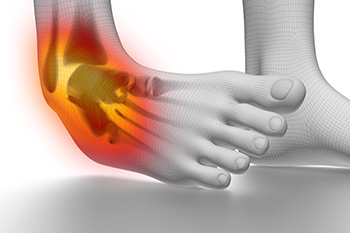
Ankle sprains are a frequent injury that can occur due to various factors. Wearing high heels often causes instability in the foot, making it easier to twist or roll the ankle, especially when walking on uneven surfaces. Rough terrain activities, such as hiking or running on rocky or uneven ground, increase the risk of rolling the ankle and straining ligaments. Uncomfortable landings, particularly in sports or other physical activities, can cause sudden twists or bends in the ankle, leading to sprains. Chronic instability, whether from previous sprains or weak ankle muscles, can make the ankle more prone to reinjury. Wearing more supportive footwear, strengthening the ankle muscles, and being cautious on uneven ground can help prevent sprains. An ankle sprain can cause severe pain and discomfort, causing difficulty in completing daily activities. If you have sustained this type of injury, it is suggested that you promptly seek guidance from a podiatrist who can effectively treat this condition.
Ankle sprains are common but need immediate attention. If you need your feet checked, contact Dr. Stephan J. LaPointe from Georgia Foot & Ankle Specialists . Our doctor can provide the care you need to keep you pain-free and on your feet.
How Does an Ankle Sprain Occur?
Ankle sprains take place when the ligaments in your ankle are torn or stretched beyond their limits. There are multiple ways that the ankle can become injured, including twisting or rolling over onto your ankle, putting undue stress on it, or causing trauma to the ankle itself.
What Are the Symptoms?
Preventing a Sprain
Treatment of a Sprain
Treatment of a sprain depends on the severity. Many times, people are told to rest and remain off their feet completely, while others are given an air cast. If the sprain is very severe, surgery may be required.
If you have suffered an ankle sprain previously, you may want to consider additional support such as a brace and regular exercises to strengthen the ankle.
If you have any questions please feel free to contact our office located in Rome, GA . We offer the newest diagnostic and treatment technologies for all your foot and ankle needs.

Cycling places repetitive stress on the feet and ankles, leading to various injuries and discomfort. Plantar fasciitis can develop from excessive pressure on the arch, causing heel pain and stiffness. Numbness in the feet may result from nerve compression due to prolonged pressure or improper positioning on the pedals. Metatarsalgia, a condition that causes pain in the ball of the foot, can occur from excessive force on the forefoot during pedaling. Poor shoe fit is a common cause of these issues, as tight or rigid shoes restrict movement and circulation, while loose shoes fail to provide adequate support. Proper footwear, cleat positioning, and adjusting saddle height can help prevent these injuries. Strengthening exercises and stretching can also improve foot stability and reduce strain during cycling. If you have sustained a foot or ankle injury from cycling, it is suggested that you consult a podiatrist who can offer effective treatment remedies, and guide you on additional injury prevention tips.
Ankle and foot injuries are common among athletes and in many sports. They can be caused by several problems and may be potentially serious. If you are feeling pain or think you were injured in a sporting event or when exercising, consult with Dr. Stephan J. LaPointe from Georgia Foot & Ankle Specialists . Our doctor will assess your condition and provide you with quality foot and ankle treatment.
Common Injuries
The most common injuries that occur in sporting activities include:
Symptoms
Symptoms vary depending upon the injury and in some cases, there may be no symptoms at all. However, in most cases, some form of symptom is experienced. Pain, aching, burning, bruising, tenderness, tightness or stiffness, sensation loss, difficulty moving, and swelling are the most common symptoms.
Treatment
Just as symptoms vary depending upon the injury, so do treatment options. A common treatment method is known as the RICE method. This method involves rest, applying ice, compression and elevating the afflicted foot or ankle. If the injury appears to be more serious, surgery might be required, such as arthroscopic or reconstructive surgery. Lastly, rehabilitation or therapy might be needed to gain full functionality in the afflicted area. Any discomfort experienced by an athlete must be evaluated by a licensed, reputable medical professional.
If you have any questions, please feel free to contact our office located in Rome, GA . We offer the newest diagnostic and treatment technologies for all your foot care needs.
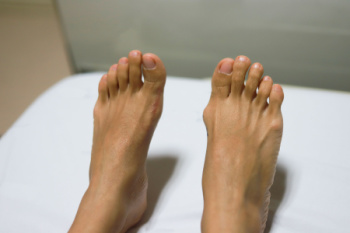
A bunion is a bony bump that forms at the base of the big toe, causing discomfort, swelling, and difficulty wearing certain shoes. It develops when the big toe shifts toward the others, often due to genetics, improper footwear, or foot mechanics. While bunions cannot be reversed without surgery, exercises can help strengthen the foot and reduce pain. Toe stretches improve flexibility and relieve tension. Pulling the big toe gently away from the others and holding for a few seconds helps maintain mobility. Arch lifts strengthen foot muscles by raising and lowering the arches while keeping toes on the ground. Toe curls with a towel improve grip strength and foot stability. These exercises, along with proper footwear, can ease discomfort. If you have a painful bunion, it is suggested that you see a podiatrist who can assess its severity, recommend custom orthotics, and provide additional treatments for long-term relief and foot health.
If you are suffering from bunions, contact Dr. Stephan J. LaPointe of Georgia Foot & Ankle Specialists . Our doctor can provide the care you need to keep you pain-free and on your feet.
What Is a Bunion?
A bunion is formed of swollen tissue or an enlargement of boney growth, usually located at the base joint of the toe that connects to the foot. The swelling occurs due to the bones in the big toe shifting inward, which impacts the other toes of the foot. This causes the area around the base of the big toe to become inflamed and painful.
Why Do Bunions Form?
Genetics – Susceptibility to bunions are often hereditary
Stress on the feet – Poorly fitted and uncomfortable footwear that places stress on feet, such as heels, can worsen existing bunions
How Are Bunions Diagnosed?
Doctors often perform two tests – blood tests and x-rays – when trying to diagnose bunions, especially in the early stages of development. Blood tests help determine if the foot pain is being caused by something else, such as arthritis, while x-rays provide a clear picture of your bone structure to your doctor.
How Are Bunions Treated?
If you have any questions, please feel free to contact our office located in Rome, GA . We offer the newest diagnostic and treatment technologies for all your foot care needs.

Plantar warts are small growths that develop on parts of the feet that bear weight. They're typically found on the bottom of the foot. Don't live with plantar warts, and call us today!
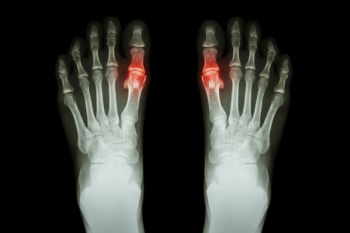
Juvenile gout is a rare condition in children where uric acid builds up in the bloodstream, leading to the formation of crystals that cause pain and inflammation in the joints. This condition is similar to gout in adults, but it occurs in younger individuals, typically affecting the big toe, knees, or ankles. The primary cause of juvenile gout is an overproduction of uric acid, often linked to genetic factors that cause the body to either produce too much uric acid or fail to eliminate it properly. Other causes include kidney problems, obesity, and certain medications. In some cases, a diet high in purine-rich foods, such as red meat and seafood, may contribute to the condition. Symptoms of juvenile gout include sudden joint pain, swelling, redness, and warmth, which can be quite severe. If your child has sudden pain in the big toe and other symptoms of gout, it is suggested that you promptly consult a podiatrist who can effectively treat this condition.
Gout is a foot condition that requires certain treatment and care. If you are seeking treatment, contact Dr. Stephan J. LaPointe from Georgia Foot & Ankle Specialists . Our doctor will treat your foot and ankle needs.
What Is Gout?
Gout is a type of arthritis caused by a buildup of uric acid in the bloodstream. It often develops in the foot, especially the big toe area, although it can manifest in other parts of the body as well. Gout can make walking and standing very painful and is especially common in diabetics and the obese.
People typically get gout because of a poor diet. Genetic predisposition is also a factor. The children of parents who have had gout frequently have a chance of developing it themselves.
Gout can easily be identified by redness and inflammation of the big toe and the surrounding areas of the foot. Other symptoms include extreme fatigue, joint pain, and running high fevers. Sometimes corticosteroid drugs can be prescribed to treat gout, but the best way to combat this disease is to get more exercise and eat a better diet.
If you have any questions please feel free to contact our office located in Rome, GA . We offer the newest diagnostic and treatment technologies for all your foot and ankle needs.