
Blog | Foot Doctor Rome, GA 30165
Like Us
Follow Us
Review Us
Stephan J. LaPointe, DPM, PhD, FACFAS

Blog

Gout and the Big Toe

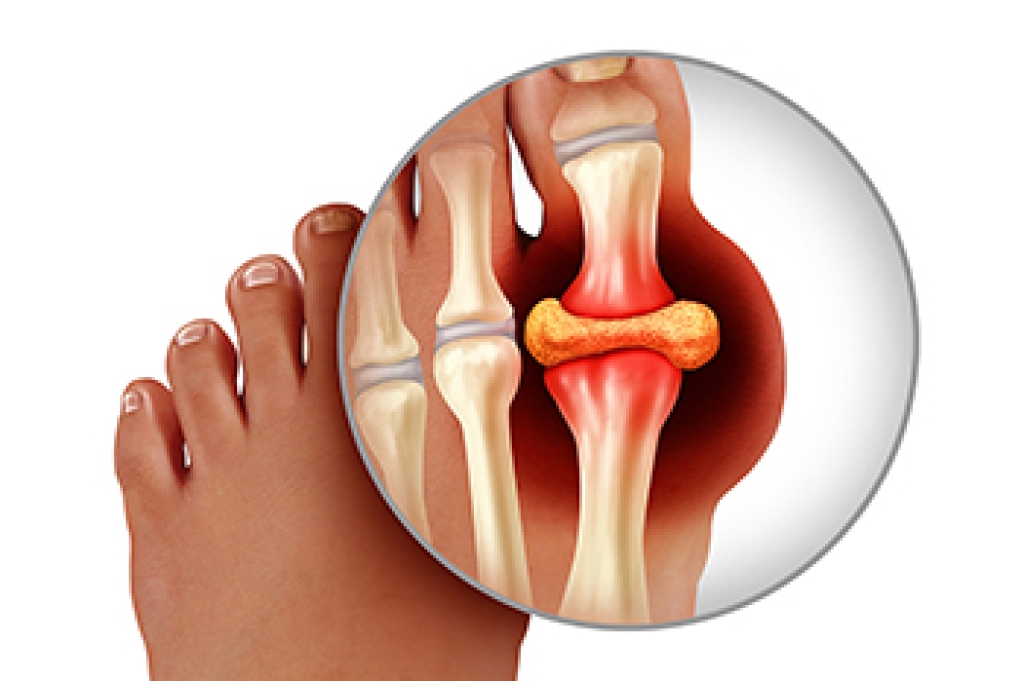
Gout is a form of inflammatory arthritis that frequently affects the foot, most commonly the big toe joint. It may also involve the midfoot, ankle, or other joints. Gout develops when uric acid accumulates in the bloodstream and forms sharp crystals within a joint. These crystals irritate surrounding tissues and trigger sudden, intense inflammation. Symptoms often begin quickly, sometimes during the night, and include severe pain, redness, warmth, and noticeable swelling. The affected joint may become extremely tender, and even light pressure from bedding or footwear can cause significant discomfort. Many people describe the pain as sharp, throbbing, and difficult to ignore.

Gout occurs when the body either produces too much uric acid or is unable to eliminate it effectively through the kidneys. Diet can contribute to this imbalance, particularly with foods high in purines like red meat, shellfish, and organ meats. In contrast, a balanced diet that includes low-fat dairy products, fresh fruits, vegetables, and whole grains may help support overall health. Additional risk factors include family history, obesity, dehydration, and certain medications. Underlying conditions like kidney disease or metabolic disorders may also be factors. Without appropriate care, gout attacks may become more frequent, last longer, and begin to affect multiple joints. This can potentially lead to long-term joint damage.

A podiatrist plays an important role in diagnosing and managing gout. Through an exam, imaging, and laboratory testing, they can confirm the condition and rule out other causes of joint pain. Treatment may include medications to reduce inflammation, relieve pain, and help regulate uric acid levels. A podiatrist can also provide ongoing monitoring of joints and further guidance to prevent future flare-ups and protect mobility. If you are experiencing symptoms of gout, it is strongly suggested that you consult a podiatrist for a proper evaluation and personalized care.

Gout is a foot condition that requires certain treatment and care. If you are seeking treatment, contact Dr. Stephan J. LaPointe from Georgia Foot & Ankle Specialists . Our doctor will treat your foot and ankle needs.

What Is Gout?

Gout is a type of arthritis caused by a buildup of uric acid in the bloodstream. It often develops in the foot, especially the big toe area, although it can manifest in other parts of the body as well. Gout can make walking and standing very painful and is especially common in diabetics and the obese.

People typically get gout because of a poor diet. Genetic predisposition is also a factor. The children of parents who have had gout frequently have a chance of developing it themselves.

Gout can easily be identified by redness and inflammation of the big toe and the surrounding areas of the foot. Other symptoms include extreme fatigue, joint pain, and running high fevers. Sometimes corticosteroid drugs can be prescribed to treat gout, but the best way to combat this disease is to get more exercise and eat a better diet.

If you have any questions, please feel free to contact our office located in Rome, GA . We offer the newest diagnostic and treatment technologies for all your foot care needs.

Read more about Everything You Need to Know About Gout

Why Ankle Swelling Changes With the Seasons

Ankle swelling can become more noticeable during certain times of year, especially in warmer weather. Heat causes blood vessels to widen, which can allow more fluid to collect in the lower legs and ankles, particularly after long periods of standing or sitting. Summer travel, increased outdoor activity, and dehydration can also contribute to swelling. Colder months may bring different concerns, including reduced activity levels that slow circulation and allow fluid buildup. Seasonal footwear changes can play a role as well, since less supportive shoes may place added stress on the feet and ankles. While occasional mild swelling may be related to environmental factors, persistent or one-sided swelling can signal circulation problems, vein issues, injury, inflammation, or other medical concerns. A podiatrist can help determine whether swelling is mechanical or related to an underlying condition. If ankle swelling becomes frequent, painful, or unexplained, it is suggested that you visit a podiatrist for evaluation and appropriate relief and management solutions.

Ankle pain can have many different causes and the pain may potentially be serious. If you have ankle pain, consult with Dr. Stephan J. LaPointe from Georgia Foot & Ankle Specialists . Our doctor will assess your condition and provide you with quality foot and ankle treatment.

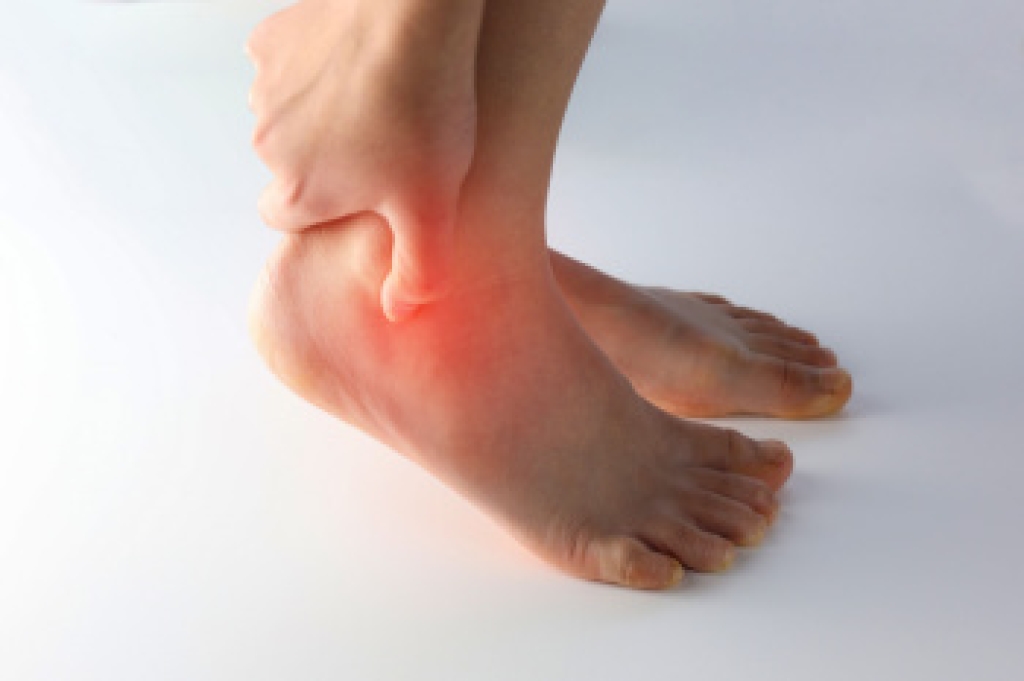
Ankle pain is any condition that causes pain in the ankle. Due to the fact that the ankle consists of tendons, muscles, bones, and ligaments, ankle pain can come from a number of different conditions.

Causes

The most common causes of ankle pain include:

  • Types of arthritis (rheumatoid, osteoarthritis, and gout)
  • Ankle sprains
  • Broken ankles
  • Achilles tendinitis
  • Achilles tendon rupture
  • Stress fractures
  • Tarsal tunnel syndrome
  • Plantar fasciitis

Symptoms

Symptoms of ankle injury vary based upon the condition. Pain may include general pain and discomfort, swelling, aching, redness, bruising, burning or stabbing sensations, and/or loss of sensation.

Diagnosis

Due to the wide variety of potential causes of ankle pain, podiatrists will utilize a number of different methods to properly diagnose ankle pain. This can include asking for personal and family medical histories and of any recent injuries. Further diagnosis may include sensation tests, a physical examination, and potentially x-rays or other imaging tests.

Treatment

Just as the range of causes varies widely, so do treatments. Some more common treatments are rest, ice packs, keeping pressure off the foot, orthotics and braces, medication for inflammation and pain, and surgery.

If you have any questions please feel free to contact our office located in Rome, GA . We offer the newest diagnostic tools and technology to treat your foot and ankle needs.

Read more about Ankle Pain

When Shoes Do Not Fit Right

Wearing the wrong size shoes can lead to several painful foot conditions that develop over time. Blisters are small fluid-filled pockets that form from friction when shoes rub against the skin. Bunions appear as a bony bump at the base of the big toe, often caused by tight footwear that pushes the toe out of place. Additionally, hammertoes occur when the smaller toes bend unnaturally due to crowding inside the shoe. These problems may start with mild discomfort, but can worsen into chronic pain and difficulty walking. Poor shoe fit, narrow toe boxes, and long periods on your feet increase risk. A podiatrist can evaluate foot structure, diagnose these conditions, and guide proper shoe fitting to prevent further damage. If you have foot pain from wearing shoes that do fit right, it is suggested that you consult a podiatrist who can offer effective relief tips and guidance on how to find the right shoe size.

It is important to find shoes that fit you properly in order to avoid a variety of different foot problems. For more information about treatment, contact Dr. Stephan J. LaPointe from Georgia Foot & Ankle Specialists . Our doctor will treat your foot and ankle needs.

Proper Shoe Fitting

Shoes have many different functions. They cushion our body weight, protect our feet, and allow us to safely play sports. You should always make sure that the shoes you wear fit you properly in order to avoid injuries and deformities such as: bunions, corns, calluses, hammertoes, plantar fasciitis, stress fractures, and more. It is important to note that although a certain pair of shoes might be a great fit for someone else, that doesn’t mean they will be a great fit for you. This is why you should always try on shoes before buying them to make sure they are worth the investment. Typically, shoes need to be replaced ever six months to one year of regular use.

Tips for Proper Shoe Fitting

  • Select a shoe that is shaped like your foot
  • Don’t buy shoes that fit too tight, expecting them to stretch to fit
  • Make sure there is enough space (3/8” to ½”) for your longest toe at the end of each shoe when you are standing up
  • Walk in the shoes to make sure they fit and feel right
  • Don’t select shoes by the size marked inside the shoe, but by how the shoe fits your foot

The shoes you buy should always feel as good as they look. Shoes that fit properly will last longer, feel better, and improve your way of life each day.

If you have any questions please contact our office located in Rome, GA . We offer the newest diagnostic and treatment technologies for all your foot and ankle needs.

Read more about How to Get a Proper Shoe Fit

Foot Changes During Pregnancy

Foot pain during pregnancy is a common concern as the body goes through physical and hormonal changes. Increased weight places added pressure on the feet, while hormonal shifts can loosen ligaments and affect foot structure. Many women notice their feet have become swollen, achy, or a feeling of heaviness, especially later in the day. Fluid retention may worsen with high sodium intake, while low potassium levels can contribute to cramping. Caffeine may also affect circulation and increase discomfort for some individuals. Over time, these changes can alter walking patterns and strain joints. A podiatrist can evaluate foot alignment, monitor swelling, and recommend supportive treatments such as custom orthotics or footwear guidance to reduce stress on the feet. Proper care can help maintain comfort and mobility throughout pregnancy. If you have foot pain during your pregnancy, it is suggested that you consult a podiatrist who can offer effective relief tips.

Pregnant women with swollen feet can be treated with a variety of different methods that are readily available. For more information about other cures for swollen feet during pregnancy, consult with Dr. Stephan J. LaPointe from Georgia Foot & Ankle Specialists . Our doctor will attend to all of your foot and ankle needs.

What Foot Problems Can Arise During Pregnancy?

One problem that can occur is overpronation, which occurs when the arch of the foot flattens and tends to roll inward.  This can cause pain and discomfort in your heels while you’re walking or even just standing up, trying to support your baby.  

Another problem is edema, or swelling in the extremities. This often affects the feet during pregnancy but tends to occur in the later stages. 

How Can I Keep My Feet Healthy During Pregnancy?

  • Wearing orthotics can provide extra support for the feet and help distribute weight evenly
  • Minimize the amount of time spent walking barefoot
  • Wear shoes with good arch support
  • Wear shoes that allow for good circulation to the feet
  • Elevate feet if you experience swelling
  • Massage your feet
  • Get regular, light exercise, such as walking, to promote blood circulation to the feet

If you have any questions, please feel free to contact our office located in Rome, GA . We offer the newest diagnostic and treatment technologies for all your foot care needs.

Read more about Pregnancy and Foot Health

Do Your Child's Feet Hurt?

Have your child's feet been examined lately? Healthy feet are happy feet. If your child is complaining of foot pain, it may be a sign of underlying problems.

Connect with us
fb ico twit ico google blog