Blog | Foot Doctor Rome, GA 30165
Like Us
Follow Us
Review Us
Stephan J. LaPointe, DPM, PhD, FACFAS

Blog

What Is Diabetic Limb Salvage?

Diabetic limb salvage focuses on preserving a foot or lower limb when diabetes has caused a serious wound. Diabetes can damage nerves in the feet, making injuries harder to notice. Blood vessel disease can further complicate diabetic foot ulcers by reducing circulation needed for healing. When a small injury progresses, it may develop into persistent ulceration and eventually damage bones or joints. Advanced diabetic foot disease can lead to limb loss when the damage becomes too extensive to reconstruct. For this reason, assessment and timely management are important when diabetic foot wounds develop.


Not every diabetic foot wound requires the same approach. The source describes limb salvage as a possible option for appropriately selected patients with complex or complicated wounds. Evaluation of blood flow is essential because narrowed arteries can interfere with healing. In some cases, circulation must be improved before treatment of the ulcer can move forward. More serious wounds may require removal of damaged tissue followed by reconstructive surgery. However, deciding whether reconstruction is appropriate requires evaluation because some wounds may be too advanced for successful salvage.


A podiatrist can play an important role in identifying diabetic foot problems and determining when more advanced care is necessary. Evaluation may include checking the wound and assessing changes related to nerve damage. Blood flow must also be considered. Diabetic limb salvage can involve several specialists when circulation problems or complex reconstruction are present. The goal is to manage serious diabetic foot wounds while preserving a functional limb whenever reconstruction is appropriate. Early attention is important because progressive ulcers can damage deeper structures and make limb preservation more difficult. If you have diabetes and develop a persistent foot ulcer or foot wound, it is suggested that you consult a podiatrist promptly for an evaluation and appropriate treatment options.

Diabetic Limb Salvage

Diabetic limb salvage can be an effective way in preventing the need for limb amputation. If you have a foot ulcer and diabetes, consult with Dr. Stephan J. LaPointe from Georgia Foot & Ankle Specialists . Our doctor will assess your condition and provide you with quality foot and ankle treatment.

What Is Diabetic Limb Salvage?

Diabetic limb salvage is the attempt of saving a limb, such as the foot, that has an infected ulcer, from amputation. Podiatrists also try to make sure that there is enough function in the foot after the salvage that it is still usable. Those with diabetes experience poor blood circulation, which prevents proper healing of an ulcer. If the ulcer is left uncheck, it could become infected, which could result in the need for amputation.

Diabetes is the number one cause of non-traumatic amputations in the United States. Amputation has been found to lead to higher mortality rates. This translates into higher healthcare costs, and a reduced quality of life and mobility for amputees. Podiatrists have attempted to increase the prevalence of limb salvage in an attempt to solve these issues.

Diagnosis and Treatment

Limb salvage teams have grown in recent years that utilize a number of different treatments to save the infected limb. This includes podiatrists that specialize in wound care, rehabilitation, orthotics, and surgery. Through a combination of these methods, limb salvage has been found to be an effective treatment for infected limbs, and as an alternative to amputation. Podiatrists will first evaluate the potential for limb salvage and determine if the limb can be saved or must be amputated. 

If you have any questions, please feel free to contact our office located in Rome, GA . We offer the newest diagnostic and treatment technologies for all your foot care needs.

Read more about Diabetic Limb Salvage

How Foot Biomechanics Affect Movement

Foot biomechanics refers to the way the bones, joints, ligaments, and muscles work together during movement. The feet form an important part of the lower body’s movement system because they interact directly with the ground. When walking, they must manage forces created by body weight while helping the body remain balanced. Normal foot biomechanics allow these forces to be distributed throughout the foot and lower leg. The arches also play an important role in supporting weight. Bones and ligaments provide stability, while the tissue along the bottom of the foot helps absorb stress as the toes extend during push-off.


Walking requires the foot and ankle to change position with each step. Pronation happens after the heel touches the ground. The foot rolls slightly inward and becomes more flexible, helping it absorb shock and adjust to the walking surface. Later, supination occurs as the foot rolls slightly outward. This makes the foot firmer and more stable so it can push off the ground. Together, pronation and supination help maintain balance, spread pressure across the foot, and support smooth movement.


A podiatrist can evaluate foot biomechanics when pain or changes in walking suggest that the feet are not functioning efficiently. Abnormal pronation or supination can influence other areas because movement of the feet is connected with the lower legs and knees. The effects may extend higher through the body as well. A biomechanical evaluation can examine foot position, joint movement, and walking patterns to better understand how forces travel through the lower body. Identifying unusual movement patterns can help guide appropriate podiatric treatment for related foot and ankle concerns. If foot pain or changes in your walking pattern are affecting comfortable movement, it is suggested that you consult a podiatrist for a professional evaluation and appropriate treatment options.

If you have any concerns about your feet, contact Dr. Stephan J. LaPointe from Georgia Foot & Ankle Specialists . Our doctor can provide the care you need to keep you pain-free and on your feet.

Biomechanics in Podiatry

Podiatric biomechanics is a particular sector of specialty podiatry with licensed practitioners who are trained to diagnose and treat conditions affecting the foot, ankle and lower leg. Biomechanics deals with the forces that act against the body, causing an interference with the biological structures. It focuses on the movement of the ankle, the foot and the forces that interact with them.

A History of Biomechanics

  • Biomechanics dates back to the BC era in Egypt where evidence of professional foot care has been recorded.
  • In 1974, biomechanics gained a higher profile from the studies of Merton Root, who claimed that by changing or controlling the forces between the ankle and the foot, corrections or conditions could be implemented to gain strength and coordination in the area.

Modern technological improvements are based on past theories and therapeutic processes that provide a better understanding of podiatric concepts for biomechanics. Computers can provide accurate information about the forces and patterns of the feet and lower legs.

Understanding biomechanics of the feet can help improve and eliminate pain, stopping further stress to the foot.

If you have any questions please feel free to contact our office located in Rome, GA . We offer the newest diagnostic and treatment technologies for all your foot and ankle needs.

Read more about Biomechanics in Podiatry

Achilles Tendon Injuries and Warning Signs

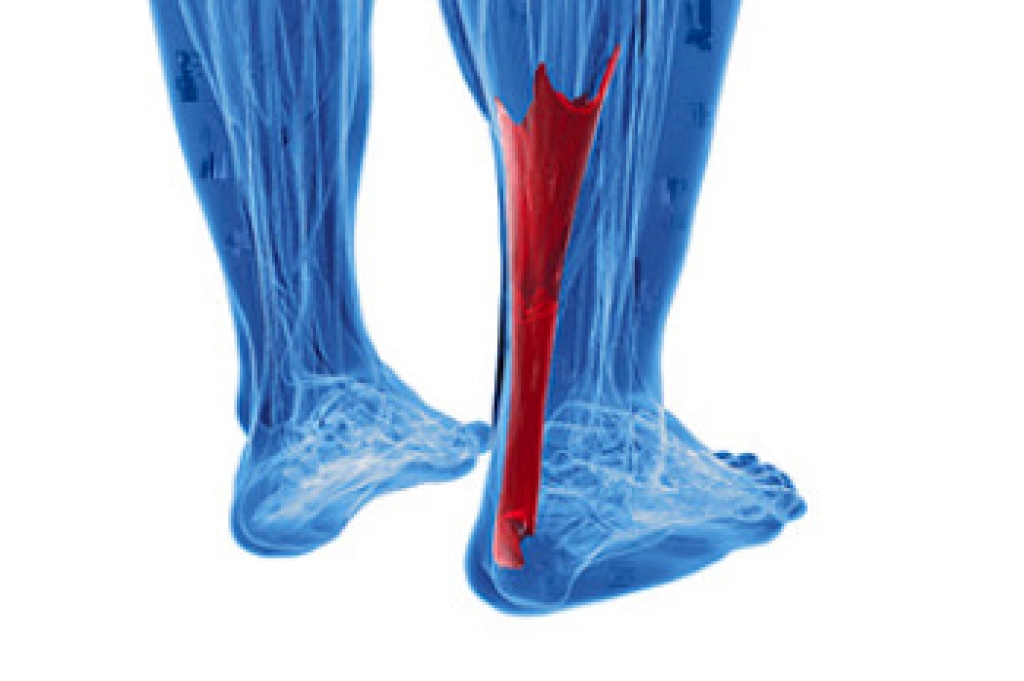
The Achilles tendon is a strong band of tissue that connects the calf muscles to the heel bone. It helps your foot push off when you walk, run, or climb stairs. An Achilles tendon injury can range from irritation and small tears to a complete rupture. One common warning sign of a serious injury is hearing or feeling a sudden pop near the back of the ankle. Pain may follow immediately, making it difficult to continue normal activity.

Other symptoms can include swelling around the tendon, tenderness, and weakness in the affected leg. Some people have trouble walking or cannot push off the ground normally. A partial tear may cause ongoing soreness that becomes worse with activity. Achilles tendon injuries often happen when the tendon is suddenly overloaded. Running, jumping, or changing direction quickly can place significant stress on the tendon. A direct injury can also cause damage.


Several factors can increase the risk of an Achilles tendon injury. Age-related changes can make the tendon less flexible and more vulnerable to tearing. Sudden increases in exercise intensity can also contribute. Tight calf muscles and previous tendon problems may raise risk. Wearing unsupportive footwear or participating in high-impact sports can add stress. Certain medications may also affect tendon strength. Recognizing these risks can help people take foot and ankle symptoms seriously.


A podiatrist will examine the ankle and check strength, movement, and tenderness. Imaging tests may be recommended when a tear is suspected. Treatment depends on the severity and location of the injury. A podiatrist may recommend rest, immobilization, or other measures that protect the tendon while it heals. More severe ruptures may require surgical evaluation. Recovery should be guided carefully to avoid reinjury. If you have an Achilles tendon injury, it is suggested that you consult a podiatrist for effective relief and treatment solutions.

Achilles tendon injuries need immediate attention to avoid future complications. If you have any concerns, contact Dr. Stephan J. LaPointe of Georgia Foot & Ankle Specialists . Our doctor can provide the care you need to keep you pain-free and on your feet.

What Is the Achilles Tendon?

The Achilles tendon is a tendon that connects the lower leg muscles and calf to the heel of the foot. It is the strongest tendon in the human body and is essential for making movement possible. Because this tendon is such an integral part of the body, any injuries to it can create immense difficulties and should immediately be presented to a doctor.

What Are the Symptoms of an Achilles Tendon Injury?

There are various types of injuries that can affect the Achilles tendon. The two most common injuries are Achilles tendinitis and ruptures of the tendon.

Achilles Tendinitis Symptoms

  • Inflammation
  • Dull to severe pain
  • Increased blood flow to the tendon
  • Thickening of the tendon

Rupture Symptoms

  • Extreme pain and swelling in the foot
  • Total immobility

Treatment and Prevention

Achilles tendon injuries are diagnosed by a thorough physical evaluation, which can include an MRI. Treatment involves rest, physical therapy, and in some cases, surgery. However, various preventative measures can be taken to avoid these injuries, such as:

  • Thorough stretching of the tendon before and after exercise
  • Strengthening exercises like calf raises, squats, leg curls, leg extensions, leg raises, lunges, and leg presses

If you have any questions please feel free to contact our office located in Rome, GA . We offer the newest diagnostic tools and technology to treat your foot and ankle needs.

Read more about Achilles Tendon Injuries

Understanding Morton’s Toe

Morton’s toe describes a foot shape in which the second toe appears longer than the big toe. This difference usually occurs because the bone behind the big toe is shorter than the bone behind the second toe. Morton’s toe does not always cause problems or require treatment. However, this shape can change how pressure moves across the foot. More force may fall beneath the second toe and the ball of the foot. This uneven pressure can lead to soreness, thickened skin, or strain after standing or walking.

Symptoms can develop when the foot bears weight in this altered pattern. Pain may affect the ball or arch of the foot, and a callus can form beneath the second toe. The longer toe may also rub against the front of a shoe, causing irritation or a bent-toe position. Shoes that lack proper support or have a narrow toe box can make these problems worse. Morton’s toe may also stress nearby joints and soft tissues. A podiatrist can determine whether the foot shape is contributing to pain. The examination includes checking toe position, tender areas, and the patient’s walking pattern. Imaging tests may be ordered when a bone or joint problem is suspected.

Treatment focuses on improving pressure distribution and protecting painful areas. A podiatrist may recommend properly-fitted shoes with enough room for the longer second toe. Custom orthotics can support the foot and shift pressure away from sensitive areas. Padding may provide added protection beneath the ball of the foot. The podiatrist can also treat painful calluses and monitor changes in toe position. When symptoms are severe and other care has not helped, surgery may be considered to correct the bone structure. Treatment is based on the source of pain, foot shape, and daily activity needs. If you have symptoms of Morton's toe, it is suggested that you schedule an appointment with a podiatrist for diagnosis and appropriate treatment.

Toe pain can disrupt your daily activities. If you have any concerns, contact Dr. Stephan J. LaPointe of Georgia Foot & Ankle Specialists . Our doctor can provide the care you need to keep you pain-free and on your feet.

What Causes Toe Pain?

Most severe toe pain is caused due to a sports injury, trauma from dropping something heavy on the toe, or bumping into something rigid. Other problems can develop over time for various reasons.

Toe pain can be caused by one or more ailments. The most common include:

  • Trauma
  • Sports injury
  • Wearing shoes that are too tight
  • Arthritis
  • Gout
  • Corns and calluses
  • Hammertoe
  • Bunions
  • Blisters
  • Ingrown toenails
  • Sprains
  • Fractures (broken bones)
  • Dislocations

When to See a Podiatrist

  • Severe pain
  • Persistent pain that lasts more than a week
  • Signs of infection
  • Continued swelling
  • Pain that prevents walking

Diagnosis

In many cases the cause of toe pain is obvious, but in others, a podiatrist may want to use more advanced methods to determine the problem. These can range from simple visual inspections and sensation tests to X-rays and MRI scans. Prior medical history, family medical history, and any recent physical traumatic events will all be taken into consideration for a proper diagnosis.

Treatment

Treatments for toe pain and injuries vary and may include shoe inserts, padding, taping, medicines, injections, and in some cases, surgery. If you believe that you have broken a toe, please see a podiatrist as soon as possible.

If you have any questions please contact our office located in Rome, GA . We offer the newest diagnostic and treatment technologies for all your foot and ankle needs.

Read more about Toe Pain

Are Bunions Affecting Your Everyday Life?

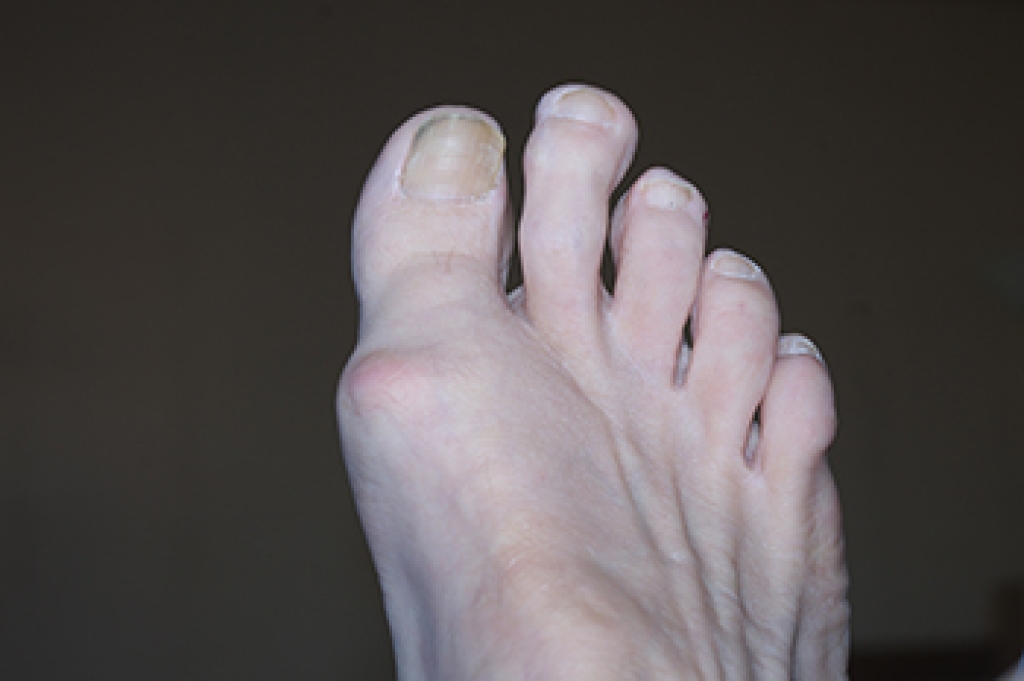
Have you noticed a bony protrusion on the side of your big toe? If so, you may have developed the foot condition known as a bunion. Don't let bunions interfere with your daily activities.

Connect with us
fb ico twit ico google blog