Stephan J. LaPointe, DPM, PhD, FACFAS


Athlete's foot is a common fungal infection affecting the skin on the feet, particularly between the toes. Symptoms include itching, burning, and stinging sensations, often accompanied by redness, peeling, and cracking skin. The affected areas may also appear swollen and develop blisters. Diagnosis typically involves a physical examination by a podiatrist, who may scrape a small sample of the affected skin to examine under a microscope or send it to a lab for testing. Identifying the presence of fungal elements confirms the diagnosis. Early recognition and treatment of athlete's foot are essential to relieve discomfort and prevent the infection from spreading. Proper hygiene, antifungal medications, and keeping the feet dry and clean are effective measures to manage and prevent athlete's foot. Athlete’s foot can be uncomfortable and unsightly. If you have any of the above symptoms, it is suggested that you consult a podiatrist who can successfully treat this condition, which may include prescribed medication.
Athlete’s foot is an inconvenient condition that can be easily reduced with the proper treatment. If you have any concerns about your feet and ankles, contact Dr. Stephan J. LaPointe from Georgia Foot & Ankle Specialists . Our doctor will treat your foot and ankle needs.
Athlete’s Foot: The Sole Story
Athlete's foot, also known as tinea pedis, can be an extremely contagious foot infection. It is commonly contracted in public changing areas and bathrooms, dormitory style living quarters, around locker rooms and public swimming pools, or anywhere your feet often come into contact with other people.
Solutions to Combat Athlete’s Foot
Athlete’s foot can cause many irritating symptoms such as dry and flaking skin, itching, and redness. Some more severe symptoms can include bleeding and cracked skin, intense itching and burning, and even pain when walking. In the worst cases, Athlete’s foot can cause blistering as well. Speak to your podiatrist for a better understanding of the different causes of Athlete’s foot, as well as help in determining which treatment options are best for you.
If you have any questions please feel free to contact our office located in Rome, GA . We offer the newest diagnostic and treatment technologies for all your foot and ankle needs.

As women enter their 40s, specific foot care becomes important to maintain overall health and mobility. Common foot issues like plantar fasciitis, bunions, and arthritis can affect women more significantly due to factors like hormonal changes, pregnancy, and footwear choices over the years. To avoid exacerbating these issues, it is beneficial for women to steer clear of high heels and narrow-toed shoes, which can lead to foot deformities and chronic pain. Additionally, prolonged wearing of flip-flops or flats without proper support can strain the arches and contribute to plantar fasciitis. Instead, opt for supportive footwear with cushioning and roomy toe boxes to accommodate natural foot shape and reduce pressure points. Regular foot exercises and stretches can also help alleviate discomfort and maintain flexibility. If you are a female and experiencing problems with your feet as you age, it is suggested that you consult a podiatrist for personalized care and treatment for long-term foot health.
Foot Pain
Foot pain can be extremely painful and debilitating. If you have a foot pain, consult with Dr. Stephan J. LaPointe from Georgia Foot & Ankle Specialists . Our doctor will assess your condition and provide you with quality foot and ankle treatment.
Causes
Foot pain is a very broad condition that could be caused by one or more ailments. The most common include:
Diagnosis
To figure out the cause of foot pain, podiatrists utilize several different methods. This can range from simple visual inspections and sensation tests to X-rays and MRI scans. Prior medical history, family medical history, and any recent physical traumatic events will all be taken into consideration for a proper diagnosis.
Treatment
Treatment depends upon the cause of the foot pain. Whether it is resting, staying off the foot, or having surgery; podiatrists have a number of treatment options available for foot pain.
If you have any questions, please feel free to contact our office located in Rome, GA . We offer the newest diagnostic and treatment technologies for all your foot care needs.
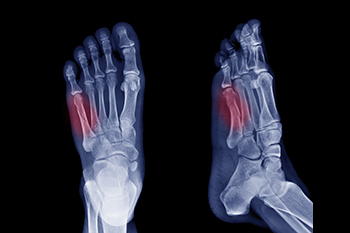
Among the array of foot injuries, a Jones fracture demands rigorous attention. A Jones fracture, or avulsion fracture, occurs when a tendon or ligament forcefully pulls a small piece of bone away from the main bone. In the case of a Jones fracture, this typically occurs in the fifth metatarsal bone, which connects the pinky toe to the rest of the foot. This type of injury is often the result of a significant and direct impact, causing intense pain. Pain at the base of the foot is a primary symptom and should never be ignored, even if other symptoms are absent. Additionally, impaired movement of the little toe is common, though complete immobility may not always happen. Neglecting these symptoms can worsen the injury and may lead to surgery if the bone does not heal properly. Other signs to watch for with a Jones fracture can include impaired balance, swelling around the fifth metatarsal joint, and bruising around the little toe. Prompt medical attention from a podiatrist, including X-rays for accurate diagnosis and appropriate treatment, is essential for effective healing and preventing long-term complications. If you suspect a Jones fracture or are experiencing any of these symptoms, it is suggested that you schedule an appointment with a podiatrist for proper evaluation and care.
A broken foot requires immediate medical attention and treatment. If you need your feet checked, contact Dr. Stephan J. LaPointe from Georgia Foot & Ankle Specialists . Our doctor can provide the care you need to keep you pain-free and on your feet.
Broken Foot Causes, Symptoms, and Treatment
A broken foot is caused by one of the bones in the foot typically breaking when bended, crushed, or stretched beyond its natural capabilities. Usually the location of the fracture indicates how the break occurred, whether it was through an object, fall, or any other type of injury.
Common Symptoms of Broken Feet:
Those that suspect they have a broken foot shoot seek urgent medical attention where a medical professional could diagnose the severity.
Treatment for broken bones varies depending on the cause, severity and location. Some will require the use of splints, casts or crutches while others could even involve surgery to repair the broken bones. Personal care includes the use of ice and keeping the foot stabilized and elevated.
If you have any questions please feel free to contact our office located in Rome, GA . We offer the newest diagnostic and treatment technologies for all your foot and ankle needs.

You don't need an excuse to have beautiful nails. Step outside without worrying about the appearance of your feet.

Effective foot care is important, especially for individuals managing diabetes, as the condition increases the risk of various foot complications. Maintaining optimal foot health involves several essential practices tailored to diabetic needs. Regular foot inspections, conducted daily, help identify any signs of injury, redness, or changes in skin condition. Keeping feet clean and dry, particularly between the toes, prevents moisture-related infections. Moisturizing with a gentle lotion helps prevent dry skin and cracks. Wearing properly fitting shoes and socks, preferably made of breathable materials, minimizes friction and reduces the risk of blisters or sores. Additionally, avoiding walking barefoot and practicing caution when trimming nails are vital to prevent cuts or infections. Finally, scheduling regular foot exams with a podiatrist ensures early detection and management of any foot-related complications. If you have diabetes, it is strongly suggested that you are under the care of this type of doctor who can help you to manage this serious condition.
Diabetic foot care is important in preventing foot ailments such as ulcers. If you are suffering from diabetes or have any other concerns about your feet, contact Dr. Stephan J. LaPointe from Georgia Foot & Ankle Specialists . Our doctor can provide the care you need to keep you pain-free and on your feet.
Diabetic Foot Care
Diabetes affects millions of people every year. The condition can damage blood vessels in many parts of the body, especially the feet. Because of this, taking care of your feet is essential if you have diabetes, and having a podiatrist help monitor your foot health is highly recommended.
The Importance of Caring for Your Feet
Patients with diabetes should have their doctor monitor their blood levels, as blood sugar levels play such a huge role in diabetic care. Monitoring these levels on a regular basis is highly advised.
It is always best to inform your healthcare professional of any concerns you may have regarding your feet, especially for diabetic patients. Early treatment and routine foot examinations are keys to maintaining proper health, especially because severe complications can arise if proper treatment is not applied.
If you have any questions please feel free to contact our office located in Rome, GA . We offer the newest diagnostic and treatment technologies for all your foot and ankle needs.