Stephan J. LaPointe, DPM, PhD, FACFAS

Skateboarding is a thrilling sport that demands agility, balance, and skill. However, it also comes with the risk of foot and ankle injuries that can sideline enthusiasts. These injuries range from minor sprains to more severe fractures, impacting both beginners and seasoned riders alike. Common injuries include ankle sprains, which occur when the ligaments supporting the ankle are stretched or torn due to sudden twists or falls. Fractures, particularly in the foot and ankle bones, can result from high-impact collisions or failed landings. Additionally, overuse injuries, such as tendonitis and stress fractures, can develop from repetitive strain on the feet and ankles. Proper protective gear, including sturdy shoes and ankle braces, can help lower the risk of injuries while skateboarding. Furthermore, mastering fundamental techniques and gradually progressing to more advanced maneuvers can reduce the likelihood of accidents. By understanding the potential risks and taking preventive measures, skateboarders can enjoy their passion while minimizing the chance of foot and ankle injuries. If you have endured a foot or ankle injury for any reason, it is suggested that you consult a podiatrist who can effectively treat these types of injuries.
Sports related foot and ankle injuries require proper treatment before players can go back to their regular routines. For more information, contact Dr. Stephan J. LaPointe of Georgia Foot & Ankle Specialists . Our doctor can provide the care you need to keep you pain-free and on your feet.
Sports Related Foot and Ankle Injuries
Foot and ankle injuries are a common occurrence when it comes to athletes of any sport. While many athletes dismiss the initial aches and pains, the truth is that ignoring potential foot and ankle injuries can lead to serious problems. As athletes continue to place pressure and strain the area further, a mild injury can turn into something as serious as a rupture and may lead to a permanent disability. There are many factors that contribute to sports related foot and ankle injuries, which include failure to warm up properly, not providing support or wearing bad footwear. Common injuries and conditions athletes face, including:
Sports related injuries are commonly treated using the RICE method. This includes rest, applying ice to the injured area, compression and elevating the ankle. More serious sprains and injuries may require surgery, which could include arthroscopic and reconstructive surgery. Rehabilitation and therapy may also be required in order to get any recovering athlete to become fully functional again. Any unusual aches and pains an athlete sustains must be evaluated by a licensed, reputable medical professional.
If you have any questions please feel free to contact our office located in Rome, GA . We offer the newest diagnostic and treatment technologies for all your foot and ankle needs.
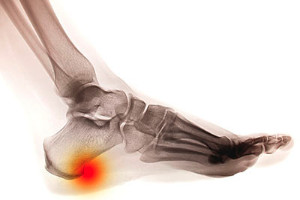
Calcaneal spurs, also known as heel spurs, are bony protrusions that form on the underside of the heel bone, which is the calcaneus. These spurs develop in response to long-term inflammation and tension on the plantar fascia, a band of tissue that connects the heel bone to the toes. The repetitive stress and strain can lead to the formation of calcium deposits, resulting in the development of bony growth. Individuals with calcaneal spurs often experience symptoms such as sharp pain in the heel, particularly during weight-bearing activities like walking or standing. The pain may intensify with the first steps in the morning or after prolonged periods of rest. Additionally, tenderness and swelling around the affected area are common. While some people with calcaneal spurs may not experience any symptoms, others may find the pain debilitating, impacting their daily activities. If you have heel pain, it is strongly suggested that you visit a podiatrist who can accurately diagnose and treat heel spurs.
Heel spurs can be incredibly painful and sometimes may make you unable to participate in physical activities. To get medical care for your heel spurs, contact Dr. Stephan J. LaPointe from Georgia Foot & Ankle Specialists . Our doctor will do everything possible to treat your condition.
Heels Spurs
Heel spurs are formed by calcium deposits on the back of the foot where the heel is. This can also be caused by small fragments of bone breaking off one section of the foot, attaching onto the back of the foot. Heel spurs can also be bone growth on the back of the foot and may grow in the direction of the arch of the foot.
Older individuals usually suffer from heel spurs and pain sometimes intensifies with age. One of the main condition's spurs are related to is plantar fasciitis.
Pain
The pain associated with spurs is often because of weight placed on the feet. When someone is walking, their entire weight is concentrated on the feet. Bone spurs then have the tendency to affect other bones and tissues around the foot. As the pain continues, the feet will become tender and sensitive over time.
Treatments
There are many ways to treat heel spurs. If one is suffering from heel spurs in conjunction with pain, there are several methods for healing. Medication, surgery, and herbal care are some options.
If you have any questions feel free to contact our office located in Rome, GA . We offer the latest in diagnostic and treatment technology to meet your needs.
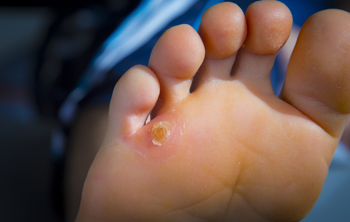
Corns, a common foot ailment, refer to thickened areas of skin that develop in response to pressure or friction. These small, round, or cone-shaped growths typically form on the toes or feet, causing discomfort and pain. The two primary types of corns are hard corns and soft corns. Hard corns, also known as heloma durum, form on dry, firm areas of skin, often on the tops or sides of toes. Soft corns, or heloma molle, develop between the toes where the skin is moist, appearing white and rubbery. Corns develop as a protective mechanism against repeated pressure or friction, commonly caused by wearing ill-fitting shoes, high heels, or excessive walking or running. Additionally, foot deformities like bunions or hammertoes can contribute to corn formation. Understanding the medical terminology associated with corns and their underlying causes is essential for effective treatment and prevention strategies. Corns on the feet can be painful. If you have developed this foot condition, it is suggested that you visit a podiatrist who can offer you effective relief techniques.
Corns can make walking very painful and should be treated immediately. If you have questions regarding your feet and ankles, contact Dr. Stephan J. LaPointe of Georgia Foot & Ankle Specialists . Our doctor will treat your foot and ankle needs.
Corns: What Are They? And How Do You Get Rid of Them?
Corns are thickened areas on the skin that can become painful. They are caused by excessive pressure and friction on the skin. Corns press into the deeper layers of the skin and are usually round in shape.
Ways to Prevent Corns
There are many ways to get rid of painful corns such as:
Treating Corns
Although most corns slowly disappear when the friction or pressure stops, this isn’t always the case. Consult with your podiatrist to determine the best treatment option for your case of corns.
If you have any questions please feel free to contact our office located in Rome, GA . We offer the newest diagnostic and treatment technologies for all your foot and ankle needs.

Plantar warts are small growths that develop on parts of the feet that bear weight. They're typically found on the bottom of the foot. Don't live with plantar warts, and call us today!
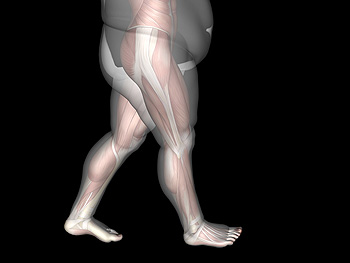
Obesity, a prevalent health concern worldwide, exerts a profound influence on foot structure and function in adults. The increased body weight places excessive pressure on the feet, altering their biomechanics and leading to various structural changes. One notable effect is the flattening of the arches, known as pes planus or flat feet, due to the increased load-bearing capacity required to support the body. This condition can contribute to foot pain, fatigue, and discomfort while walking or standing for prolonged periods. Additionally, obesity may worsen existing foot conditions such as bunions, hammertoes, and plantar fasciitis, further compromising foot health and mobility. Furthermore, the accumulation of fat tissue in the feet can result in swelling, inflammation, and decreased flexibility. Addressing obesity through lifestyle modifications, including diet, exercise, and weight management, is essential for mitigating these structural changes and alleviating associated foot problems. If you are experiencing any type of foot pain due to excess weight, it is suggested that you schedule an appointment with a podiatrist.
The more you weigh, the harder your feet must work to support your body. If you’re an obese individual and are concerned about your feet, contact Dr. Stephan J. LaPointe from Georgia Foot & Ankle Specialists . Our doctor can provide the care you need to keep you pain-free and on your feet.
Obesity and Your Feet
People who are overweight are putting more pressure on their ankles, knees, and hips as well as their feet. This unfortunately can lead to variety of different issues.
Problems & Complications Stemming from Obesity
If you have any questions, please feel free to contact our office located in Rome, GA . We offer the newest diagnostic and treatment technologies for all your foot care needs.
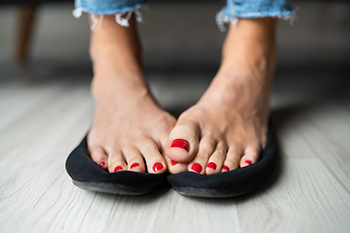
Plantar hyperhidrosis, a condition marked by excessive sweating of the feet, poses unique challenges for those affected. This phenomenon, often overlooked, can significantly impact daily life, leading to discomfort, embarrassment, and even social withdrawal. The underlying mechanisms driving this condition remain complex, involving overactive sweat glands triggered by factors such as genetics, hormonal imbalances, or neurological conditions. While commonly dismissed as a mere inconvenience, plantar hyperhidrosis warrants attention due to its far-reaching implications. Beyond the discomfort and odor associated with perpetually moist feet, this condition predisposes individuals to fungal infections, necessitating diligent foot care routines. Despite its prevalence, awareness surrounding plantar hyperhidrosis remains limited, heightening the stigma and isolation experienced by those grappling with it. If you have developed plantar hyperhidrosis, it is suggested that you visit a podiatrist who can offer you relief and management techniques.
If you are suffering from hyperhidrosis contact Dr. Stephan J. LaPointe of Georgia Foot & Ankle Specialists . Our doctor can provide the care you need to attend to all of your foot and ankle needs.
Hyperhidrosis of the Feet
Hyperhidrosis is a rare disorder that can cause people to have excessive sweating of their feet. This can usually occur all on its own without rigorous activity involved. People who suffer from hyperhidrosis may also experience sweaty palms.
Although it is said that sweating is a healthy process meant to cool down the body temperature and to maintain a proper internal temperature, hyperhidrosis may prove to be a huge hindrance on a person’s everyday life.
Plantar hyperhidrosis is considered to be the main form of hyperhidrosis. Secondary hyperhidrosis can refer to sweating that occurs in areas other than the feet or hands and armpits. Often this may be a sign of it being related to another medical condition such as menopause, hyperthyroidism and even Parkinson’s disease.
In order to alleviate this condition, it is important to see your doctor so that they may prescribe the necessary medications so that you can begin to live a normal life again. If this is left untreated, it is said that it will persist throughout an individual’s life.
A last resort approach would be surgery, but it is best to speak with your doctor to find out what may be the best treatment for you.
If you have any questions please feel free to contact our office located in Rome, GA . We offer the newest diagnostic and treatment technologies for all your foot and ankle needs.