Stephan J. LaPointe, DPM, PhD, FACFAS

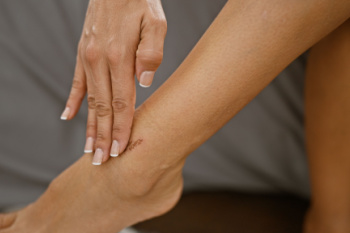
Wearing the wrong occupational footwear can lead to serious foot problems, including the risk of developing foot wounds. Ill-fitting shoes can create excessive pressure and friction, which can in turn cause painful calluses and blisters. When left untreated, these minor injuries can progress into open wounds, increasing the risk of infection. Tight footwear or poorly designed toe boxes may damage the nails, leading to bruising, thickening, or fungal infections that make the surrounding skin more vulnerable to injury. Long hours on hard surfaces in unsupportive shoes can result in plantar fasciitis, while improper cushioning and poor arch support contribute to chronic foot and ankle pain. Over time, poor circulation, especially in individuals with diabetes, can lead to ulcers and slow-healing wounds. Workers should ensure they wear well-fitted, supportive shoes to prevent foot injuries. If wounds or persistent pain develop, it is suggested that you consult a podiatrist for a proper evaluation and more appropriate footwear recommendations.
Wound care is an important part in dealing with diabetes. If you have diabetes and a foot wound or would like more information about wound care for diabetics, consult with Dr. Stephan J. LaPointe from Georgia Foot & Ankle Specialists . Our doctor will assess your condition and provide you with quality foot and ankle treatment.
What Is Wound Care?
Wound care is the practice of taking proper care of a wound. This can range from the smallest to the largest of wounds. While everyone can benefit from proper wound care, it is much more important for diabetics. Diabetics often suffer from poor blood circulation which causes wounds to heal much slower than they would in a non-diabetic.
What Is the Importance of Wound Care?
While it may not seem apparent with small ulcers on the foot, for diabetics, any size ulcer can become infected. Diabetics often also suffer from neuropathy, or nerve loss. This means they might not even feel when they have an ulcer on their foot. If the wound becomes severely infected, amputation may be necessary. Therefore, it is of the upmost importance to properly care for any and all foot wounds.
How to Care for Wounds
The best way to care for foot wounds is to prevent them. For diabetics, this means daily inspections of the feet for any signs of abnormalities or ulcers. It is also recommended to see a podiatrist several times a year for a foot inspection. If you do have an ulcer, run the wound under water to clear dirt from the wound; then apply antibiotic ointment to the wound and cover with a bandage. Bandages should be changed daily and keeping pressure off the wound is smart. It is advised to see a podiatrist, who can keep an eye on it.
If you have any questions, please feel free to contact our office located in Rome, GA . We offer the newest diagnostic and treatment technologies for all your foot care needs.
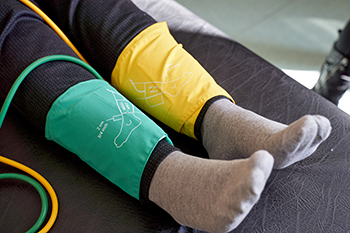
Peripheral neuropathy in the feet can develop slowly, causing various noticeable symptoms. One of the most common signs is a gradual numbness, making it difficult to feel sensations in the feet. People with this condition may also experience increased sensitivity to touch, where even light pressure or a slight tap can cause discomfort. A lack of coordination is another symptom, often leading to difficulty walking or maintaining balance. Sharp or throbbing pain can also be present, especially at night or after long periods of standing or walking. Muscle weakness is another indication of peripheral neuropathy, as the feet may feel heavy or less responsive during movement. If left untreated, these symptoms can worsen over time, affecting daily activities and overall quality of life. If you have signs of peripheral neuropathy in the feet, it is suggested that you consult a podiatrist who can help you to manage this condition.
Neuropathy
Neuropathy can be a potentially serious condition, especially if it is left undiagnosed. If you have any concerns that you may be experiencing nerve loss in your feet, consult with Dr. Stephan J. LaPointe from Georgia Foot & Ankle Specialists . Our doctor will assess your condition and provide you with quality foot and ankle treatment for neuropathy.
What Is Neuropathy?
Neuropathy is a condition that leads to damage to the nerves in the body. Peripheral neuropathy, or neuropathy that affects your peripheral nervous system, usually occurs in the feet. Neuropathy can be triggered by a number of different causes. Such causes include diabetes, infections, cancers, disorders, and toxic substances.
Symptoms of Neuropathy Include:
Those with diabetes are at serious risk due to being unable to feel an ulcer on their feet. Diabetics usually also suffer from poor blood circulation. This can lead to the wound not healing, infections occurring, and the limb may have to be amputated.
Treatment
To treat neuropathy in the foot, podiatrists will first diagnose the cause of the neuropathy. Figuring out the underlying cause of the neuropathy will allow the podiatrist to prescribe the best treatment, whether it be caused by diabetes, toxic substance exposure, infection, etc. If the nerve has not died, then it’s possible that sensation may be able to return to the foot.
Pain medication may be issued for pain. Electrical nerve stimulation can be used to stimulate nerves. If the neuropathy is caused from pressure on the nerves, then surgery may be necessary.
If you have any questions, please feel free to contact our office located in Rome, GA . We offer the newest diagnostic and treatment technologies for all your foot care needs.
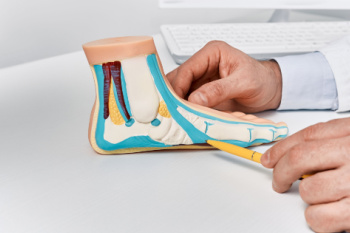
Flat feet, or pes planus, occur when the arches of the feet are absent, causing the entire sole to make contact with the ground. This condition is common among infants and toddlers, but typically resolves as the tendons and ligaments strengthen during early childhood. For some people, flat feet persist into adulthood or develop later due to injuries, aging, or conditions such as posterior tibial tendon dysfunction. Symptoms can range from no discomfort to pain in the feet, ankles, or lower legs, especially after prolonged standing or physical activity. Tight Achilles tendons and damage to the tendons that support the arch can contribute to flat feet, making walking and running uncomfortable. In cases where flat feet lead to significant pain or mobility issues, a podiatrist can use imaging tests and physical assessments to assess the severity. Treatment may include custom orthotics, shoe modifications, or in severe cases, surgery to repair or support the foot’s structure. If you have foot problems related to flat feet, it is suggested that you schedule an appointment with a podiatrist for a diagnosis and treatment options.
Flatfoot is a condition many people suffer from. If you have flat feet, contact Dr. Stephan J. LaPointe from Georgia Foot & Ankle Specialists . Our doctor will treat your foot and ankle needs.
What Are Flat Feet?
Flatfoot is a condition in which the arch of the foot is depressed and the sole of the foot is almost completely in contact with the ground. About 20-30% of the population generally has flat feet because their arches never formed during growth.
Conditions & Problems:
Having flat feet makes it difficult to run or walk because of the stress placed on the ankles.
Alignment – The general alignment of your legs can be disrupted, because the ankles move inward which can cause major discomfort.
Knees – If you have complications with your knees, flat feet can be a contributor to arthritis in that area.
Symptoms
Treatment
If you are experiencing pain and stress on the foot you may weaken the posterior tibial tendon, which runs around the inside of the ankle.
If you have any questions please feel free to contact our office located in Rome, GA . We offer the newest diagnostic and treatment technologies for all your foot and ankle needs.

If you are suffering from tenderness, pain, or stiffness in the joints of your feet or ankles, call us to schedule an appointment.
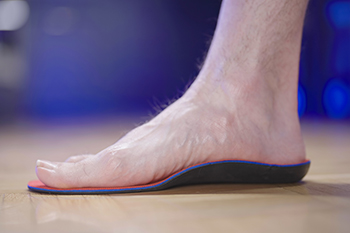
Custom-made orthotics can be a powerful solution for easing foot pain caused by conditions like rheumatoid arthritis, or RA, and diabetes. Both of these conditions can significantly affect foot health, leading to discomfort, deformities, and difficulty with mobility. For individuals with RA, custom orthotics help by providing targeted support to joints, reducing inflammation, and redistributing pressure away from areas of pain. This support can improve foot function and alleviate stress on the knees, hips, and lower back as well. For people with diabetes, foot health is essential due to potential nerve damage and poor circulation. Custom orthotics help by cushioning the feet, reducing friction, and preventing sores or ulcers that can be common in diabetic patients. They also assist in improving foot alignment, which can reduce pain caused by abnormal walking patterns. By offering tailored support, custom orthotics can improve comfort, enhance mobility, and promote overall foot health. If you have foot pain or either of the above conditions, it is suggested that you are under the care of a podiatrist who can determine which type of orthotics are right for you.
If you are having discomfort in your feet and would like to try orthotics, contact Dr. Stephan J. LaPointe from Georgia Foot & Ankle Specialists . Our doctor can provide the care you need to keep you pain-free and on your feet.
What Are Orthotics?
Orthotics are inserts you can place into your shoes to help with a variety of foot problems such as flat feet or foot pain. Orthotics provide relief and comfort for minor foot and heel pain but can’t correct serious biomechanical problems in your feet.
Over-the-Counter Inserts
Orthotics come in a wide variety of over-the-counter inserts that are used to treat foot pain, heel pain, and minor problems. For example, arch supports can be inserted into your shoes to help correct overarched or flat feet, while gel insoles are often used because they provide comfort and relief from foot and heel pain by alleviating pressure.
Prescription Orthotics
If over-the-counter inserts don’t work for you or if you have a more severe foot concern, it is possible to have your podiatrist prescribe custom orthotics. These high-quality inserts are designed to treat problems such as abnormal motion, plantar fasciitis, and severe forms of heel pain. They can even be used to help patients suffering from diabetes by treating foot ulcers and painful calluses and are usually molded to your feet individually, which allows them to provide full support and comfort.
If you are experiencing minor to severe foot or heel pain, it’s recommended to speak with your podiatrist about the possibilities of using orthotics. A podiatrist can determine which type of orthotic is right for you and allow you to take the first steps towards being pain-free.
If you have any questions please contact our office located in Rome, GA . We offer the newest diagnostic and treatment technologies for all your foot and ankle needs.
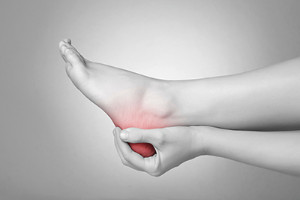
Heel pain is a widespread issue that can stem from various conditions, affecting different areas of the heel. One of the most common causes is plantar fasciitis, which occurs when the plantar fascia, a thick band of tissue running along the bottom of the foot, becomes inflamed. This condition often results in sharp pain at the bottom of the heel, particularly when taking the first steps in the morning. Another cause is heel spurs, which are bony growths that form on the heel bone, typically due to prolonged pressure or inflammation from plantar fasciitis. Heel pain can also affect the back or side of the heel. Achilles tendinitis, for example, causes pain in the back of the heel where the Achilles tendon attaches. Additionally, conditions like bursitis can lead to pain on the back or sides of the heel. If you have heel pain, it is suggested that you promptly contact a podiatrist who can accurately diagnose and offer a personalized treatment plan.
Many people suffer from bouts of heel pain. For more information, contact Dr. Stephan J. LaPointe of Georgia Foot & Ankle Specialists . Our doctor can provide the care you need to keep you pain-free and on your feet.
Causes of Heel Pain
Heel pain is often associated with plantar fasciitis. The plantar fascia is a band of tissues that extends along the bottom of the foot. A rip or tear in this ligament can cause inflammation of the tissue.
Achilles tendonitis is another cause of heel pain. Inflammation of the Achilles tendon will cause pain from fractures and muscle tearing. Lack of flexibility is also another symptom.
Heel spurs are another cause of pain. When the tissues of the plantar fascia undergo a great deal of stress, it can lead to ligament separation from the heel bone, causing heel spurs.
Why Might Heel Pain Occur?
Treatments
Heel pain should be treated as soon as possible for immediate results. Keeping your feet in a stress-free environment will help. If you suffer from Achilles tendonitis or plantar fasciitis, applying ice will reduce the swelling. Stretching before an exercise like running will help the muscles. Using all these tips will help make heel pain a condition of the past.
If you have any questions please contact our office located in Rome, GA . We offer the newest diagnostic and treatment technologies for all your foot and ankle needs.

Falls are a major concern for older adults and can result in serious injuries. As people age, they may experience a decline in muscle strength, balance, and coordination, which increases the risk of falling. Vision and hearing impairments, common in older adults, can make it difficult to detect obstacles or changes in the environment. Certain medications can also cause dizziness or affect coordination, contributing to falls. In addition, conditions like arthritis, osteoporosis, and neurological disorders can impair mobility and stability. To prevent falls, it is important to engage in regular physical activity to improve strength and balance. Wearing proper footwear with non-slip soles and removing tripping hazards in the home, such as loose rugs, can also help reduce the risk. By staying active and making adjustments at home, older adults can significantly reduce their risk of falling. If you have sustained a foot or ankle injury from falling, it is suggested that you promptly consult a podiatrist who can offer effective remedies for treatment.
Preventing falls among the elderly is very important. If you are older and have fallen or fear that you are prone to falling, consult with Dr. Stephan J. LaPointe from Georgia Foot & Ankle Specialists . Our doctor will assess your condition and provide you with quality advice and care.
Every 11 seconds, an elderly American is being treated in an emergency room for a fall related injury. Falls are the leading cause of head and hip injuries for those 65 and older. Due to decreases in strength, balance, senses, and lack of awareness, elderly persons are very susceptible to falling. Thankfully, there are a number of things older persons can do to prevent falls.
How to Prevent Falls
Some effective methods that older persons can do to prevent falls include:
Falling can be a traumatic and embarrassing experience for elderly persons; this can make them less willing to leave the house, and less willing to talk to someone about their fears of falling. Doing such things, however, will increase the likelihood of tripping or losing one’s balance. Knowing the causes of falling and how to prevent them is the best way to mitigate the risk of serious injury.
If you have any questions, please feel free to contact our office located in Rome, GA . We offer the newest diagnostic and treatment technologies for all your foot care needs.
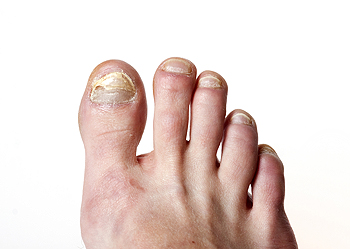
Toenail fungus is a common condition caused by fungi that thrive on the dead tissue of nails and outer layers of skin. It often starts from a fungal infection on the feet and is more common in toenails, particularly in older adults. People with diabetes, peripheral vascular disease, or weakened immune systems are at a higher risk, as are those who wear tight or non-breathable footwear. Symptoms of toenail fungus include thickened, brittle nails, white or yellow streaks, crumbling edges, and debris trapped beneath the nail. A podiatrist can provide an accurate diagnosis through a nail examination and laboratory tests to identify the type of fungus. Treatment options offered by a podiatrist may include prescription antifungal medications, laser therapy to target the fungus, or in severe cases removal of the affected nail. These treatments aim to eliminate the infection, which may take some time, and promote the growth of healthy nails. If you have developed toenail fungus, it is suggested that you schedule an appointment with a podiatrist for appropriate treatment.
If left untreated, toenail fungus may spread to other toenails, skin, or even fingernails. If you suspect you have toenail fungus it is important to seek treatment right away. For more information about treatment, contact Dr. Stephan J. LaPointe of Georgia Foot & Ankle Specialists . Our doctor can provide the care you need to keep you pain-free and on your feet.
Symptoms
Treatment
If self-care strategies and over-the-counter medications does not help your fungus, your podiatrist may give you a prescription drug instead. Even if you find relief from your toenail fungus symptoms, you may experience a repeat infection in the future.
Prevention
In order to prevent getting toenail fungus in the future, you should always make sure to wash your feet with soap and water. After washing, it is important to dry your feet thoroughly especially in between the toes. When trimming your toenails, be sure to trim straight across instead of in a rounded shape. It is crucial not to cover up discolored nails with nail polish because that will prevent your nail from being able to “breathe”.
In some cases, surgical procedure may be needed to remove the toenail fungus. Consult with your podiatrist about the best treatment options for your case of toenail fungus.
If you have any questions, please feel free to contact our office located in Rome, GA . We offer the newest diagnostic and treatment technologies for all your foot care needs.
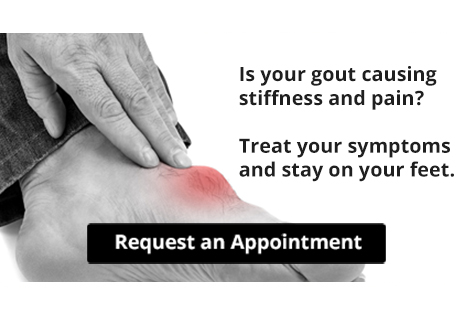
Gout is a painful, inflammatory form of arthritis. Those affected will typically feel an intense stiffness in the joints of their feet, particularly in the big toe. Schedule a visit to learn about how gout can be managed and treated.

When selecting shoes for nursing comfort and support are essential due to the long hours and physical demands of the profession. The shoes should provide ample cushioning to reduce the impact on feet during extended periods of standing or walking. A slip-resistant sole is crucial for safety, especially in environments where floors may be wet or slippery. Nurses should look for shoes with adequate arch support to maintain proper foot alignment and prevent discomfort. Breathability is another important factor, as it helps keep feet cool and dry throughout the shift. Additionally, shoes with a wide toe box offer room for movement, preventing pinching or soreness. Choosing the right pair of shoes can significantly enhance a nurse’s comfort and overall well-being at work. If you have injured your foot during your work day, it is suggested that you contact a podiatrist who can treat various foot conditions and offer advice on appropriate shoes for your profession.
While working on the feet, it is important to take the proper care of them. For more information about working on your feet, contact Dr. Stephan J. LaPointe from Georgia Foot & Ankle Specialists . Our doctor will treat your foot and ankle needs.
Working on Your Feet
Standing on your feet for long periods of time can cause stress and pain in your feet. Your whole body may experience change in terms of posture, back pain, bunions, callouses and or plantar warts. There are ways to avoid these conditions with proper foot care, smart choices and correct posture.
Positive Changes
Negative heeled shoe – Choosing this shoe type places the heel slightly lower than the ball of the foot. These are great for overall foot health. Find shoes that fit you correctly.
Go barefoot – Our feet were not designed to be enclosed for all hours of the day. Try to periodically expose your feet to air.
Eliminate Pain
Foot Exercises – Performing simple exercises, incorporating yoga and doing stretches are beneficial. This will allow increased blood flow to the area and muscles of the foot.
Achilles tendon – Stretching the foot out flat on the floor will relax the calf muscles and tendon. These exercises can be performed almost anywhere. Make sure you add these exercises to your daily regimen.
With a little bit of this information and knowing more about foot health, you will notice changes. Foot stretches and proper footwear will help with pain and prevent further issues.
If you have any questions please feel free to contact our office located in Rome, GA . We offer the newest diagnostic and treatment technologies for all your foot and ankle needs.