Stephan J. LaPointe, DPM, PhD, FACFAS





You don’t have to live with
foot pain!
Heel pain can be treated.
Get back on your feet!
We provide foot care for
the whole family!
Call today!
(706) 232-3888
We provide foot care for
the whole family!
You don’t have to live with
foot pain!
Podiatrist Stephan J. LaPointe, DPM, PhD, FACFAS of Georgia Foot & Ankle Specialists is dedicated to providing the highest quality foot and ankle care. With one office conveniently located in Rome, Georgia, Dr. LaPointe is the only podiatrist in the area board certified in both Forefoot and Rearfoot and Reconstructive Rearfoot and Ankle Surgery. He is the only podiatrist in the country with three years of surgical training and a Ph.D. in Biomedical Engineering. His thesis and focus was on lateral ankle instability and how to surgically repair it. Dr. LaPointe is a faculty member of the Podiatry Institute and is constantly lecturing on his work and research.
Dr. LaPointe provides treatment for a variety of podiatric conditions, such as heel pain and fungal nails, and offers sports medicine and surgical procedures. Georgia Foot & Ankle Specialists accepts most insurance plans and welcomes new patients! We are following the recommended guidelines of the CDC and are requiring that masks are worn when entering the office.
To schedule an appointment, call our office today! (706) 232-3888
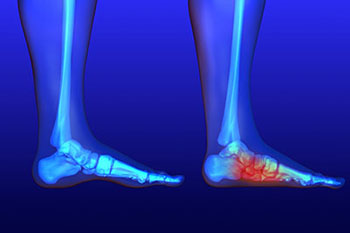
Flat feet is a condition that affects those who have little to no arch in their feet. When you stand, a person who doesn’t have flat feet will have a gap from the inner part of their feet to the floor, due to the normal arch that slightly rises off the ground. Those with flat feet will experience no such gap. While there are some people who experience no issues with their flat feet, it’s not uncommon for those with this condition to experience discomfort or pain.
Flat feet may cause a certain level of pain due to strained muscles and connecting ligaments. Those not afflicted by flat feet are able to get support while walking by the spring that the arch provides, which in turn, helps to distribute your body weight while taking steps. When the arch is no longer present, there is a larger amount of pressure on your muscles and ligaments in the feet, which is why they become strained and may cause you to feel pain.
There are many reasons that play a role in why a person may develop flat feet. For instance, certain genetic factors passed down from parents can lead to flat feet. Children may appear to have flat feet; however, their arches should develop over time. Having overall weak arches, a foot or ankle injury, arthritis, or a muscle or nervous system disease may all increase your likelihood of having flat feet. Tarsal coalition, a foot condition causing the fusion of bones in the feet, may also play a part in developing flat feet. Other common factors that are linked to flat feet include diabetes and obesity.
To manage the discomfort that may come with flat feet, we recommend that your practice exercises to help ease your pain. Heel cord stretches are a great way to stretch your Achilles tendon and help loosen up calf muscles that are often strained due to flat feet. Placing a golf ball under your foot and rolling it back and forth while seated is another great stretch, especially for your plantar fascia ligament.
When it comes to treating flat feet or fallen arches, it’s suggested you get plenty of rest. Frequently ice the affected area to help reduce swelling. Performing daily stretches are a great way to loosen up your muscles and relieve strain. It may also be beneficial to look into orthotics or shoe inserts to help relieve the pain.
If you’d like more information on how to treat discomfort you’re feeling because of flat feet, consult with a podiatrist for the best treatment options for your case.
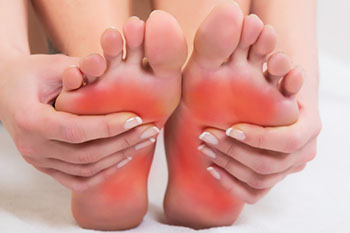
The feet serve as the foundation of the body. When pain is experienced, it’s therefore extremely important to identify early on what and where the issue is. The causes of foot pain vary greatly, including but not limited to diseases, deformities, improper footwear, and injuries pertaining to the foot region.
Those who experience foot pain may also notice redness, swelling, soreness, bruising, or numbness present at the injured area. When these symptoms occur, it’s important to also identify where the pain experienced is located, as there are a number of foot complications that could be at the root of the problem. For example, different foot conditions can affect different areas such as the heel, ball of the foot, foot arch, the toes, or ankles, to name a few.
Common heel pain conditions include heel spurs and heel fractures. Morton’s neuroma is a condition that often comes with pain experienced at the ball of the foot, as well as sesamoiditis. Those suffering from discomfort in their arches may have flat feet or plantar fasciitis. Common issues that affect the toes include gout, bunions, blisters, corns and calluses, as well as hammertoe and ingrown toenail. An ankle sprains is also a common ailment that can lead to foot pain.
Treatment for foot pain varies for each case, depending on both the cause of pain and the location of the affected area. The most common recommendations for easing the discomfort of foot pain include the following: getting plenty of rest, icing and heating the area in which pain is felt, pain relievers, and keeping the foot elevated to avoid swelling.
If you’re experiencing foot pain, we recommend that you meet with a podiatrist as soon as possible for a proper diagnosis and suggested treatment plan.
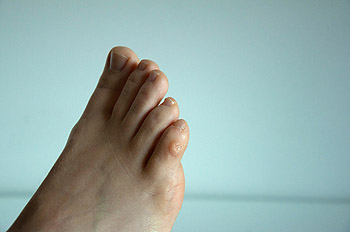
Corns are hardened bumps, normally found on the top or on the side of the toes. Some may also be found on the bottom of the feet. Corns are typically small and circular and have either hard or soft centers. Hard corns are generally found on the more firm areas of the foot, while soft corns are typically found in areas prone to be more moist, such as in between the toes.
You may have a corn if you notice a raised, hardened bump on your foot, skin that is dry and flaky or waxy, and feel pain or tenderness underneath the skin. There are many factors that play into why a person may develop a corn. Certain factors include wearing shoes or socks that are too tight, regularly walking barefoot or not wearing socks often, old age, or repeatedly jogging or exercising in a certain way that causes friction. Having other foot-related complications, such as hammertoe or bunions, can increase your risk of developing a corn.
To help prevent the formation of corns, it’s recommended that you wash your feet daily with soap, water, and a scrubbing brush. It’s also useful to wear shoes that leave your toes with plenty of space, as well as cutting your nails straight across and not digging into the sides. Without certain footwear or lifestyle changes, it’s likely for a corn to develop again.
If your corn is extremely painful or if you have diabetes or poor circulation, we recommend you seek professional help. Because the removal process is best done by a doctor, it’s important you seek the help of a podiatrist who can aid you in determining a treatment plan best suited for your particular case.
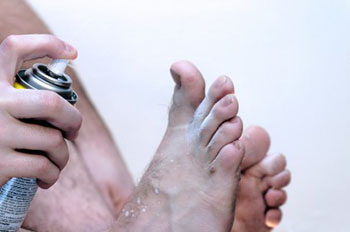
Athlete’s foot is a fungal infection that’s highly contagious and can be spread through direct skin to skin contact as well as indirect contact. Athlete’s foot can be spread directly when an uninfected person touches the infected area of someone who has athlete’s foot. The condition can be spread indirectly through contaminated surfaces, clothing, socks, shoes, bed sheets, and towels.
Areas that are known to be damp, warm, or humid are commonly known to be more susceptible to carrying the fungal infection. With that being said, you should use caution around swimming pools and communal showers to avoid picking up athlete’s foot. If you know you have a weaker immune system, you should also be sure to use caution around these types of environments.
Those who are affected by athlete’s foot may experience symptoms such as cracking, dryness, flakiness, itchiness, redness, or scaliness of the skin of the foot or in between the toes. Oozing, crusting, swelling, and the formation of blisters are other symptoms that may arise due to athlete’s foot.
If athlete’s foot goes untreated, there is a high risk that it may spread from toe to toe. With this in mind, it’s highly recommended that you meet with a podiatrist for a professional diagnosis. Your podiatrist can give you information about treatment options that best suit your case.
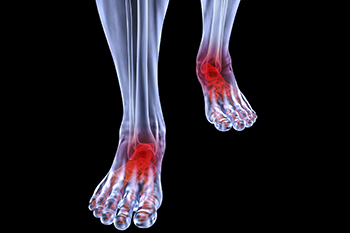
Conditions affecting the feet due to complications with arthritis can take many forms, including osteoarthritis, rheumatoid arthritis, gout, psoriatic arthritis, and ankylosing spondylitis. Osteoarthritis typically affects the joint connecting your big toe to your foot, though it can also be found in the midfoot or ankle region. Unlike osteoarthritis, rheumatoid arthritis typically affects both feet and deals with the same joints on each foot. Gout, which normally affects the big toe, is comprised of needle-like crystals that trigger inflammation in the joints. Psoriatic arthritis causes sausage-like swelling in the toes. Lastly, ankylosing spondylitis can lead to plantar fasciitis and pain at the Achilles tendon.
Many factors play a role in the cause for arthritic feet, including obesity, the aging process, as well as family history or genetic connections to arthritis.To help prevent issues with your feet, examine your feet daily, keep your feet clean, routinely moisturize your feet, keep your toenails trimmed, inspect your shoes for anything that may cause discomfort, and wear socks on a daily basis.
If you’re experiencing any discomfort or pain due to one of the above forms of arthritis, consider over-the-counter pain medication and investing in comfortable footwear. Pain medication coupled with top of the line comfort footwear is a great way to ease the pain that often comes with arthritis. If you’re overweight, it’s also recommended to think about setting a weight loss goal to ease some of the pressure on your feet, as well stay as active as possible. Applying ice or heat to the affected area is another way to calm the discomfort you may experience. It’s important to do research and see whether inserts may be beneficial for you. General foot care, like pampering your feet and keeping them well maintained, is also recommended. Lastly, you should seek professional advice and learn about potential surgery options, if necessary.
For an official diagnosis and information on treatment options, consult with a podiatrist.