Stephan J. LaPointe, DPM, PhD, FACFAS







You don’t have to live with
foot pain!
Heel pain can be treated.
Get back on your feet!
We provide foot care for
the whole family!
Call today!
(706) 232-3888
We provide foot care for
the whole family!
You don’t have to live with
foot pain!
Podiatrist Stephan J. LaPointe, DPM, PhD, FACFAS of Georgia Foot & Ankle Specialists is dedicated to providing the highest quality foot and ankle care. With one office conveniently located in Rome, Georgia, Dr. LaPointe is the only podiatrist in the area board certified in both Forefoot and Rearfoot and Reconstructive Rearfoot and Ankle Surgery. He is the only podiatrist in the country with three years of surgical training and a Ph.D. in Biomedical Engineering. His thesis and focus was on lateral ankle instability and how to surgically repair it. Dr. LaPointe is a faculty member of the Podiatry Institute and is constantly lecturing on his work and research.
Dr. LaPointe provides treatment for a variety of podiatric conditions, such as heel pain and fungal nails, and offers sports medicine and surgical procedures. Georgia Foot & Ankle Specialists accepts most insurance plans and welcomes new patients! We are following the recommended guidelines of the CDC and are requiring that masks are worn when entering the office.
To schedule an appointment, call our office today! (706) 232-3888
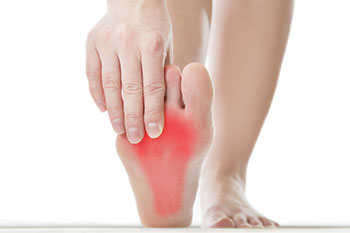
Plantar fasciitis affects the plantar regions of the foot, namely the heel, arch, and midfoot. When too much stress is put on the plantar fascia, or the connective tissue that stretches from the heel to the ball of your foot, inflammation, overtightening, and tearing may arise. This can cause foot pain. Because of plantar fasciitis, you may experience tearing with the first steps you take in the morning each day.
A certain trigger that may cause stress to the plantar fascia includes poor arch support, which is brought upon by frequently walking barefoot or wearing shoes with improper arch support. Other causes include obesity or a sudden increase in weight, increased physical activity, weak foot and ankle muscles, tight calf muscles, and arthritis.
If you’re feeling pain after sitting, walking, or standing for a long period of time, as well as when you first step out of bed or climb stairs, you may be showing signs of plantar fasciitis. To know for sure what’s causing you pain, it’s best that you get an x-ray taken of your foot.
Because plantar fasciitis is known to worsen over time, it’s recommended that you meet with a podiatrist as soon as possible for a proper diagnosis and advised treatment plan.
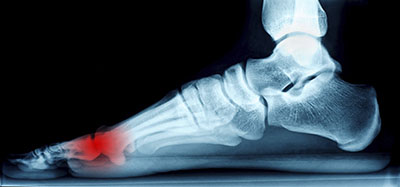
Ingrown toenails can form when the side of a toenail begins to grow into the flesh surrounding the nail. As a result, the affected toe—most commonly the big toe—may become red, swollen, painful, and—in severe cases—infected.
There are many reasons why an ingrown toenail may develop. Improperly cutting your toenails is a major cause of ingrown toenails. If toenails aren’t cut straight across or are cut too short, the likelihood of getting an ingrown toenail may increase. Other causes include having unusually curved toenails, wearing shoes that don’t give your toes an ample amount of space, and hereditary factors. Injuring the toe by stubbing it or having an object fall on it may also lead to ingrown toenails. If left untreated, an ingrown toenail can lead to further complications with the foot.
If you are someone who has diabetes, it’s extremely important to remain mindful of ingrown toenail prevention, as minor cuts or simple scrapes can lead to serious complications. You can prevent ingrown toenails by ensuring toenails are straight across and at a moderate length, wearing shoes that fit properly, and checking feet daily for signs of foot issues.
Treatment for an ingrown toenail will vary on a case by case basis. One form of treatment requires lifting the ingrown nail and placing a splint or piece of cotton underneath. Another method for a more severe case would involve partially removing the nail. For cases that need extreme care, the nail itself and tissue would have to be removed.
If you’d like more information about ingrown toenails, we recommend you consult with a podiatrist who can give you a proper diagnosis and go over your treatment options.
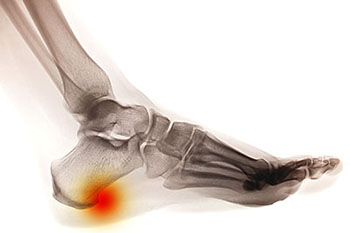
Heel spurs are brought upon by a calcium deposit that causes a bony protrusion on the underside of the heel bone. It normally forms over time and can best be diagnosed through an x-ray examination. Heel spurs are commonly linked with plantar fasciitis, an inflammation that runs along the bottom of the foot. Common symptoms of heel spurs include pain towards the affected area, inflammation, and swelling at the front of the heel.
There are different causes that may lead to a heel spur including poorly fitted shoes, excess weight or obesity, repetitive stress from running or jogging on hard surfaces, and arthritis. Treating a heel spur often requires a lifestyle change as well as getting plenty of rest. Using cold compresses is another method to help alleviate the discomfort of a heel spur. To prevent further damage, it may be useful to look into wearing shoe inserts or custom orthotics.
Practicing different exercises can help reduce the pain of heel spurs as well decrease inflammation you may be experiencing. Some of these helpful exercises include calf stretches performed either against a wall or on steps, foot rolls with a golf or tennis ball, seated foot flexes, and towel grabs with your toes. Heel spur prevention can start by understanding the everyday stresses put on your feet and knowing when to let your feet rest. It’s also important to not let heel pain go uncared for. Once you notice something is off, take action instead of waiting to see if it goes away.
If you’d like more information about heel spurs, consult with a podiatrist who can provide you with a proper diagnosis and professional care.
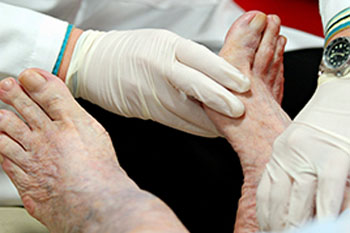
As you age, it’s important to pay good attention to your overall health; this includes the well being of your feet. The feet are considered the foundation of the body; if their hygiene becomes at risk, it’s possible you can find yourself immobile and in pain. To avoid this, it’s recommended that senior citizens, in particular, take early action in maintaining the health of their feet.
Some of the most common foot conditions found among geriatric patients include heel pain, ingrown toenails, corns, calluses, bunions, dry skin, brittle nails, complications due to arthritis and diabetes, and fungal infections. In order to avoid these issues from arising, it’s recommended that you use a foot stool when seated to keep the feet elevated, dry your feet completely after washing, ensure your shoes and socks fit well and leave room for your toes, trim your toenails straight across on a regular basis, and that you keep your feet moisturized to avoid cracking of the skin.
It may also be helpful to look into footwear that provides your feet with extra support to avoid fallen arches and ingrown toenails, as well as to help you keep your balance while going about your daily activities. In more severe cases, depending on the foot condition you’re experiencing, some podiatrists may suggest custom orthotics or shoe inserts to help correct the alignment of your feet.
If you’re experiencing foot pain of any kind or would like more information on how to maintain healthy feet as you age, we recommend you speak with a podiatrist who can offer you professional advice and guidance.
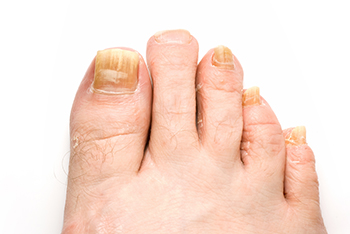
The area of the toes is generally warm and damp, unfortunately making it a great area for fungus to grow. If left untreated, the fungal infection can spread, which is why it’s so important to get professional help early on and look into your treatment options.
Fungal infections occur due to fungus getting through the cracks of the toes or cuts in your skin. Common signs that you may have a fungal infection include thicker than normal toenails, oddly shaped toenails, discoloration, a yellowish hue to the nail, and separation of the nail and nail bed. Fungal infections can affect anyone but are most common among men, those with diabetes or athlete’s foot, and smokers. The risk of having toenail fungus also increases as you age, if another family member has it, and if you have a weaker immune system.
To avoid getting a fungal infection, it’s important that you wash your feet daily with soap and water, making sure to get in between your toes, and dry the feet well. When cutting your toenails, make sure the clippers you’re using are clean and that you’re cutting straight across. It’s also important that you wear shoes in areas where fungus can thrive, such as wet public places like swimming pools or locker rooms.
If you believe you’re experiencing a fungal toenail infection, we recommend that you speak with a podiatrist as soon as possible for a proper diagnosis and suggested plan for treatment.