Stephan J. LaPointe, DPM, PhD, FACFAS







You don’t have to live with
foot pain!
Heel pain can be treated.
Get back on your feet!
We provide foot care for
the whole family!
Call today!
(706) 232-3888
We provide foot care for
the whole family!
You don’t have to live with
foot pain!
Podiatrist Stephan J. LaPointe, DPM, PhD, FACFAS of Georgia Foot & Ankle Specialists is dedicated to providing the highest quality foot and ankle care. With one office conveniently located in Rome, Georgia, Dr. LaPointe is the only podiatrist in the area board certified in both Forefoot and Rearfoot and Reconstructive Rearfoot and Ankle Surgery. He is the only podiatrist in the country with three years of surgical training and a Ph.D. in Biomedical Engineering. His thesis and focus was on lateral ankle instability and how to surgically repair it. Dr. LaPointe is a faculty member of the Podiatry Institute and is constantly lecturing on his work and research.
Dr. LaPointe provides treatment for a variety of podiatric conditions, such as heel pain and fungal nails, and offers sports medicine and surgical procedures. Georgia Foot & Ankle Specialists accepts most insurance plans and welcomes new patients! We are following the recommended guidelines of the CDC and are requiring that masks are worn when entering the office.
To schedule an appointment, call our office today! (706) 232-3888
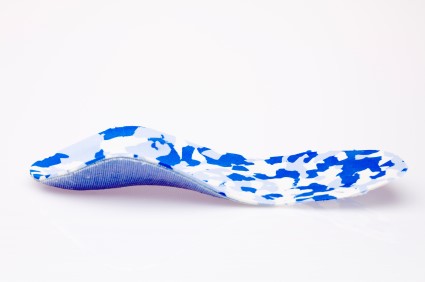 Orthotics are shoe inserts that are meant to correct an irregular walking gait or provide cushioning to the feet. Orthotics come in a variety of different models and sizes, including over-the-counter and customizable variants. Customizable orthotics can be shaped and contoured to fit inside a specific shoe and are typically prescribed through a podiatrist who specializes in customized footwear and orthotics design and management.
Orthotics are beneficial because they can help prevent injuries from occurring and provide cushioning to keep pain levels down to a minimum. They also allow for the correct positioning of the feet. Orthotics can act as shock absorbers to help remove pressure from the foot and ankle. Therefore, orthotics can make bodily movements, such as walking and running, become more comfortable as well as help prevent the development of certain foot conditions.
Orthotics alleviate pain and make the foot more comfortable by slightly altering the angle at which the foot strikes the ground surface, therefore controlling the movement of the foot and ankle. Orthotics come in different variants and can be made of various materials. To determine what type of orthotic is most suited to your feet and your needs, it is best to consult your podiatrist. He or she will be able to recommend a type of orthotic that can help improve your foot function or prescribe a custom orthotic to best fit your feet.
Summary: Final Rule Implementing Section 1557 of the Affordable Care Act
The Department of Health and Human Services (HHS) issued the Final Rule implementing the prohibition of discrimination under Section 1557 of the Affordable Care Act (ACA) of 2010. The Final Rule, Nondiscrimination in Health Programs and Activities, will help to advance equity and reduce health disparities by protecting some of the populations that have been most vulnerable to discrimination in the health care context. The final rule explains consumers’ rights under the law and provides covered entities important guidance about their obligations.
Section 1557 prohibits discrimination based on race, color, national origin, sex, age or disability in certain health programs and activities.
Section 1557 builds on long-standing and familiar Federal civil rights laws: Title VI of the Civil Rights Act of 1964 (Title VI), Title IX of the Education Amendments of 1972 (Title IX), Section 504 of the Rehabilitation Act of 1973 (Section 504), and the Age Discrimination Act of 1975 (Age Act). Most notably, Section 1557 is the first Federal civil rights law to prohibit discrimination on the basis of sex in all health programs and activities receiving Federal financial assistance.
Section 1557 has been in effect since enactment of the ACA in 2010 and the HHS Office for Civil Rights (OCR) has been enforcing the provision since it was enacted.
Coverage of the Rule
The rule covers:
− Any health program or activity, any part of which receives funding from HHS (such as hospitals that accept Medicare or doctors who accept Medicaid);
− Any health program that HHS itself administers;
− Health Insurance Marketplaces and issuers that participate in those Marketplaces.
Attention: If you speak any of the listed below languages – language assistance services, free of charge, are available to you.
Please call: State Health Insurance Assistance Program Language Line 800-792-8820
| 1 | Spanish |
| 2 | Chinese |
| 3 | Korean |
| 4 | Portuguese |
| 5 | Gujarati |
| 6 | Polish |
| 7 | Italian |
| 8 | Arabic |
| 9 | Tagalog |
| 10 | Russian |
| 11 | French Creole |
| 12 | Hindi |
| 13 | Vietnamese |
| 14 | French |
| 15 | Urdu |
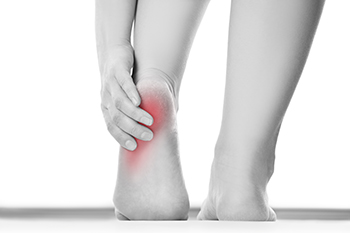
Heel pain, while quite common, can be extremely uncomfortable and painful if not met with proper care or treatment. Heel pain may occur if you injure or overuse the heel. If left uncared for, the affected area may worsen, limiting your mobility and making it difficult to perform everyday activities, such as walking.
There are many different causes of heel pain, including strains or sprains, tarsal tunnel syndrome, stress fractures, Achilles tendonitis, and heel bursitis. One of the most common causes of heel pain for children and teenagers specifically is Sever’s disease. Sever’s disease can develop due to overuse or repetitive microtrauma of the heel bone's growth plates. This condition is often seen among those who are active in sporting activities.
Other causes of heel pain may include issues with poor circulation, poor posture when walking or running, a soft tissue mass, and a rupture of the Achilles tendon. To help ease the discomfort of heel pain, it’s advised that you get plenty of rest, apply ice to the affected area, and wear shoes that fit properly. In some more serious cases, a podiatrist might recommend the use of custom orthotics or shoe inserts for extra support.
If you’re experiencing heel pain, we recommend you consult with a podiatrist as soon as possible for a proper diagnosis and treatment plan.
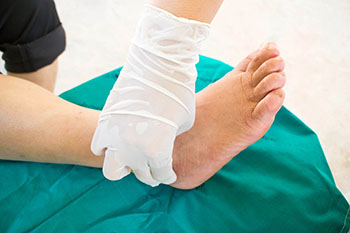
Wound care is particularly important for those with diabetes. It’s possible that what appears to be a small wound could turn into more severe foot complications down the road if left untreated. It’s common for those with diabetes to experience neuropathy. Neuropathy is a type of nerve damage that affects the body and can cause you to lose feeling in the feet. If you’re no longer experiencing feeling in your feet and a wound develops, it’s very possible it may go unnoticed if you don’t check your feet daily.
Some factors that contribute to the formation of wounds on the feet include wearing tightly fitted shoes, getting a pebble stuck in your shoe, or simply walking. What may appear to be just a small inconvenience such as a blister or callus can worsen over time, so it’s important to be safe and seek the attention of a professional. If you’ve developed a wound, it’s recommended that you try your best to keep the weight off of the area until you’re able to meet with a podiatrist.
Some ways to prevent wounds from developing include checking your feet daily for any injuries, washing and drying your feet daily, dressing for comfort and making sure your toes have enough space, and properly trimming your toenails straight across. Because wounds can lead to more severe complications, especially for those with diabetes, we recommend you speak with a podiatrist for professional guidance and a suggested plan for treatment.
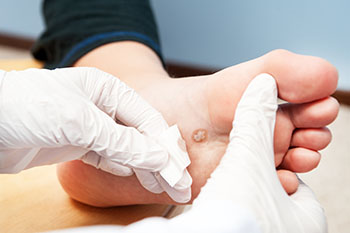
Plantar warts develop on the plantar areas of the feet, namely the soles or the bottom of the feet that bear weight. Sometimes plantar warts can grow in a cluster, which is referred to as mosaic warts. Though they are generally harmless, plantar warts can be very painful and can require professional help.
Plantar warts can develop when a virus enters through the skin, often by a cut or scrape. They’re contagious and typically spread in locations such as public swimming pools, communal showers, as well as your shower at home. Gym facilities and yoga studios may also be more susceptible to plantar wart breakouts due to their publicly shared spaces. Plantar warts are commonly found among children and those with weaker immune systems.
To tell if you have plantar warts, you should check the soles of your feet for bumpy growths. Sometimes these growths may come with a tiny black dot in the center. You may also have plantar warts if you experience pain when walking or standing up. Because plantar warts are easily confused with other foot conditions like corns or calluses, it’s important you seek professional help for proper treatment.
Since plantar warts are caused by HPV, or human papillomavirus, and is very contagious, it’s important that you take certain measures to help avoid getting this condition. To start, you can do this by washing your hands frequently and drying them completely, since warts thrive with moisture. You should also wear shoes in public spaces like swimming pools and locker rooms. It’s important to avoid touching someone else’s wart or picking at your own warts as well. Along with not picking at your warts, it’s imperative that you refrain from shaving, brushing, or clipping areas that have warts.
If you’d like more information about plantar warts and how they’re treated, we recommend you speak with a podiatrist for professional guidance and care.